


Athens: 100 km in Plato's Footsteps
5 Days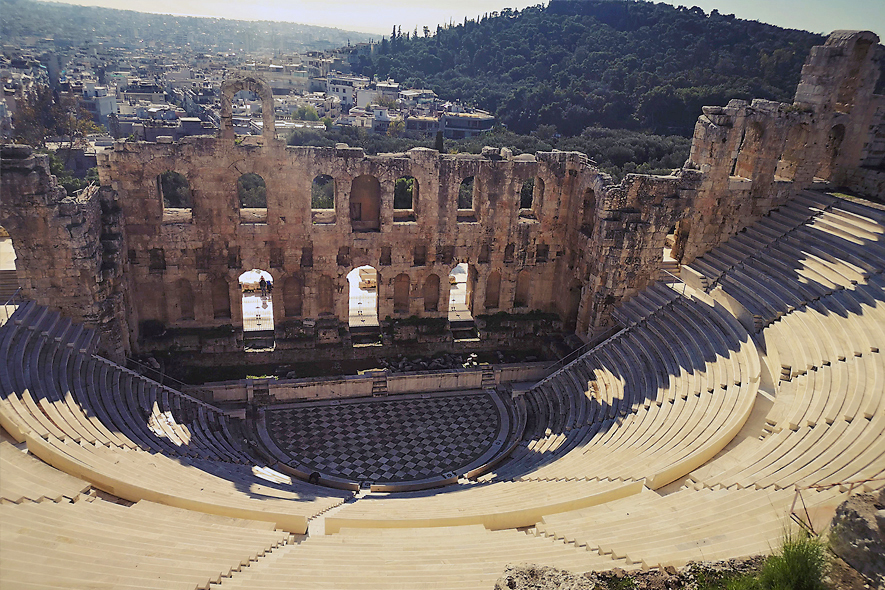
Top Attractions/Essential Gear
Don't miss it
- Acropolis
- Ancient Agora
- Acropolis Museum
- Panathenaic Stadium
- National Museum of Archaeology
- Plaka and Anafiotika neighborhoods
What should you bring with you
- 1-1,5 l water
- Insurance
- Hiking shoes
- Tickets
Trip Information
-
Athens
-
5-6 hours / nap
-
Hotel, B&B
-
Available
-
Restaurant, Buffet, Takeaway
Stages
Right: Theatre of Dionysus entrance | Distance: 13 miles
The most significant ancient monument complex in Athens is the acropolis, towering 150 meters high, which has preserved the city's stories since the 5th century BC. The tour starts at the world's first theater, where masterpieces of dramatic literature were born. From here, you can reach Panagia Spiliotissa (Virgin Mary of the Cave Chapel), hidden at the foot of the Acropolis. This little-known, secret place was built by Thrasyllos in 320 BC and can be accessed via a hidden path from the highest point of the theater.
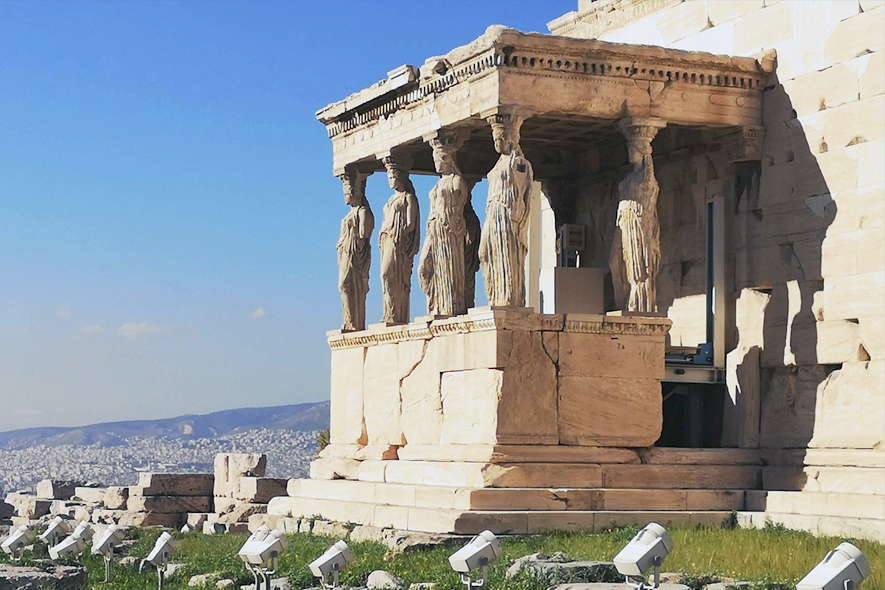
The holy rock deserves a thorough exploration. It's worth taking advantage of the entrance ticket to discover all the significant structures: upon entering through the Beulé Gate, you'll find the Arch of Agrippa, the monumental Propylaea, a stunning Parthenon and that Temple of Athena Nike Passing by it, you can reach the Erechtheion and the Odeon of Herodes Atticus. At the UNESCO World Heritage site, stones have been worn down for millennia, making the rocks uneven and extremely slippery; besides the paved walkways, it's worth watching your step.
To avoid crowds and the scorching sun, it's best to time your visit for the morning or early evening. In the latter case, you can witness a unique sunset from the Acropolis hill. Although food is not allowed, you can replenish your fluids at the fountain near the Parthenon and at the well-maintained restrooms. To end the day, wander through the island-like houses of Anafiotika and ascend to Philopappos Hill, where you can reflect on what you've seen in the shade of the pine trees, away from the city noise.
Head to Athens! A creamy frappé and authentic souvlaki await you soon. Explore the Plaka district or the area around your accommodation – it's just a stone's throw away!
Wow! Hello!
Right: Monastiraki Square | Distance: 20 km ↔
The tour starts from the pulsating heart of the city, Monastiraki Square, then leads towards the Agora, the social and political center of ancient Athens. The Greek agora kifejezés jelentése: összegyűlni, gyülekezni. Ez a romokkal és zöldterülettel borított helyszín az ókorban a polgári ügyintézés, az ítélkezés és a kereskedelem fő tere volt. Itt zajlottak a színházi előadások, az atlétikai bemutatók és a kor meghatározó szellemi eszmecseréi is.
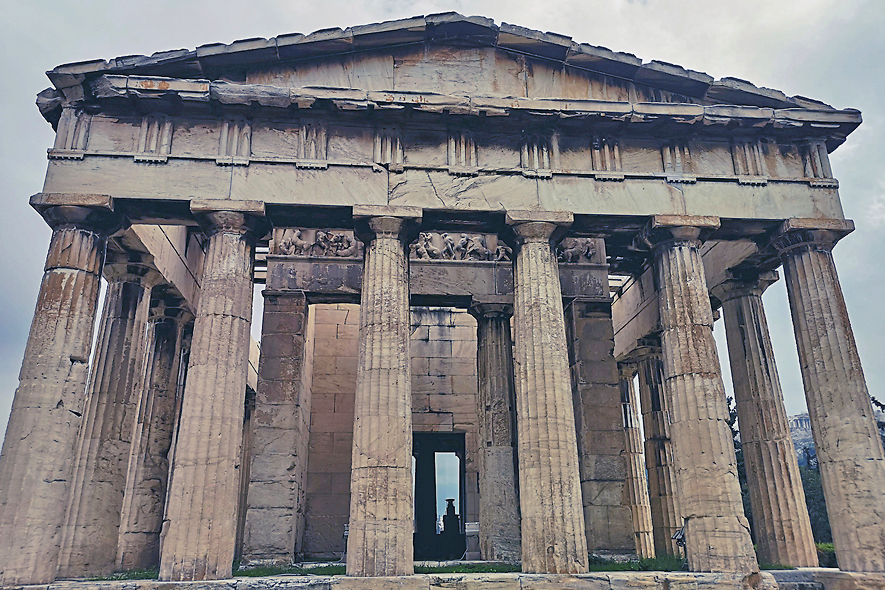
The Agora area is visible Temple of Hephaestus, and the Attalos Stoa, which is the best-preserved building at the site. Next to it Apollo Patron The remains of the Temple of Hephaestus. The wide, paved road of the Panathenaic procession cuts diagonally across the area. The journey continues from here towards the Kerameikos district, where, outside the ancient city walls, the most significant cemetery of ancient Athens and its monumental stelae are located.
As the end of the nap, License Plate The quarter follows. The alleyways winding at the foot of the Acropolis are the city's oldest inhabited parts. A walk among neoclassical buildings, Byzantine churches, and hidden gardens softens the noise of the modern metropolis into the silence of the past. During the 20-kilometer course, the energy of the bustling market square and the tranquility of historical ruins create a constant balance.
Start: Panathenaic Stadium | Distance: 20 km
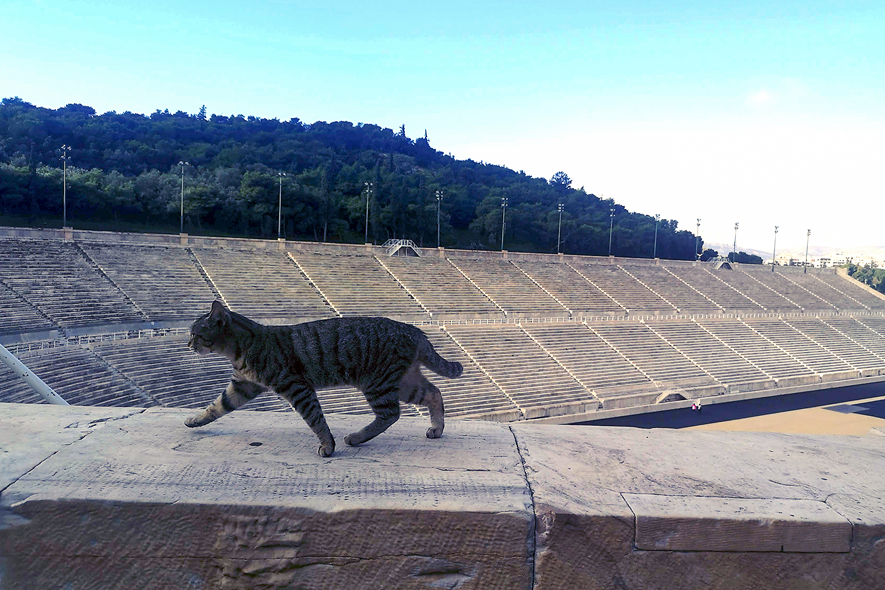
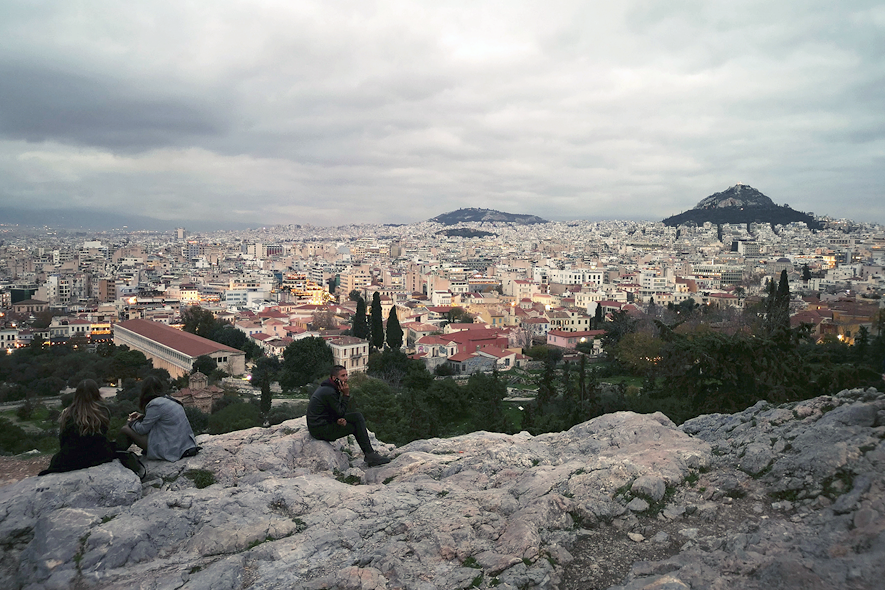
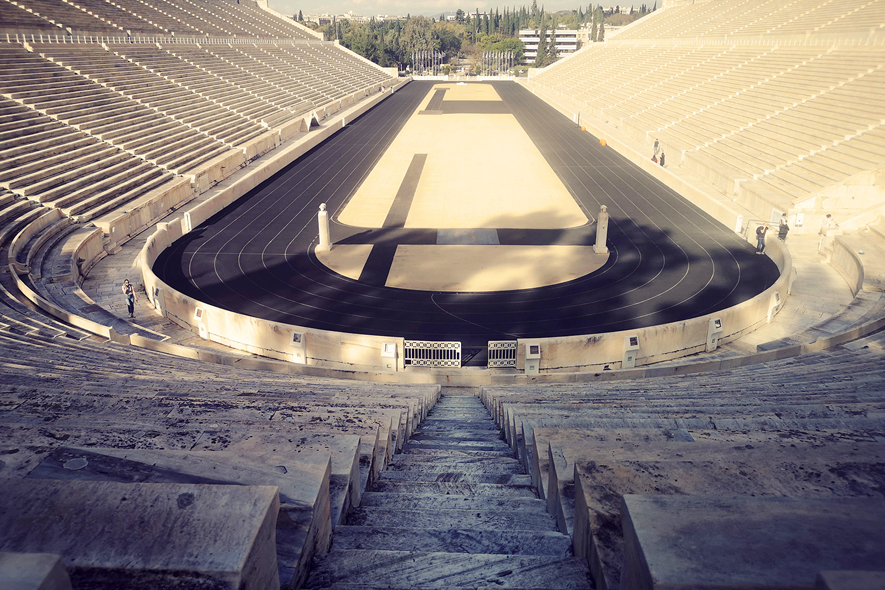
The pilgrimage takes place in the spirit of sport and spiritual contemplation. The start is at the Panathenaic Stadium, also known as Kallimarmaro, which was built around 330 BC. This is the world's only stadium made entirely of marble; it hosted the Olympic Games in 1896 after the Panathenaic Games of the 6th century BC. the first modern Olympic Games as well. The stadium towers over Ardittos Hill, one of the seven hills of Athens. The area covered with pine trees and Mediterranean vegetation has been a sacred place since ancient times: the secret rites of the Eleusinian Mysteries took place here, and here are Artemis Agrotera The remains of its temple are also there. The panorama from the mountain and the special energy of the park make it an ideal place for quiet, contemplative walks.
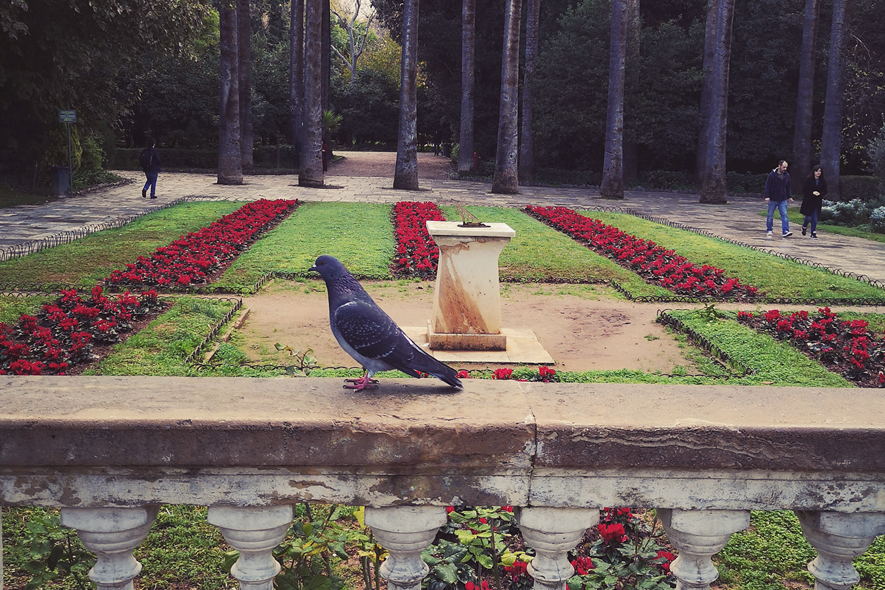
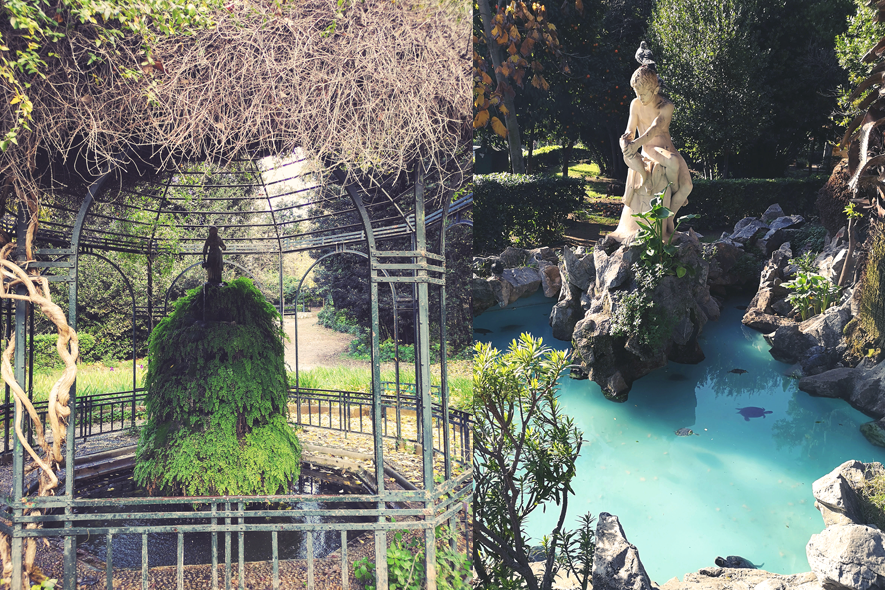
way from here to the To the National Garden to Athens' 16-hectare green heart. In the botanical park, Queen Amalia ordered hundreds of plant species to be planted in the mid-19th century. A walk among the sky-high palm trees and cool arbors will provide a real refreshment after the hustle and bustle of the city, offering an opportunity to practice mindful presence.
As the end of the nap, Lyceum, Following that is Aristotle's former Lyceum. The philosopher taught his students while walking among the trees of the grove, which is why they were called Peripatetics, meaning „walkers.” Their method of combining learning and movement remains an inspiring example to this day of how walking can become a tool for thinking and intellectual development.
The 20-kilometer distance creates a harmonious unity of physical activity and ancient wisdom.
Right: Hadrian's Gate | Distance: 20 km ↔
This section is about hidden architecture and religious diversity day. The tour starts at the Hadrian's Gate and then located at the northeastern foot of the Acropolis Anafiotika leads to its white houses. This quarter, built in the Cycladic style in the 19th century, is an island of tranquility; its narrow stairs and flower-filled alleys evoke the world of the Aegean Sea in the heart of the city. The route includes the 11th-century Saint John the Theologian Church, which is one of the smallest, intact jewels of Byzantine architecture.
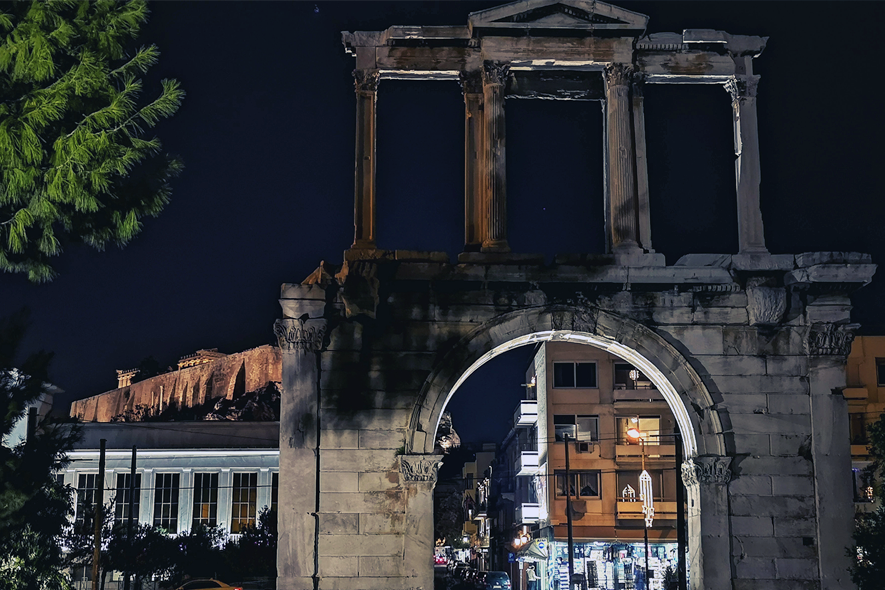
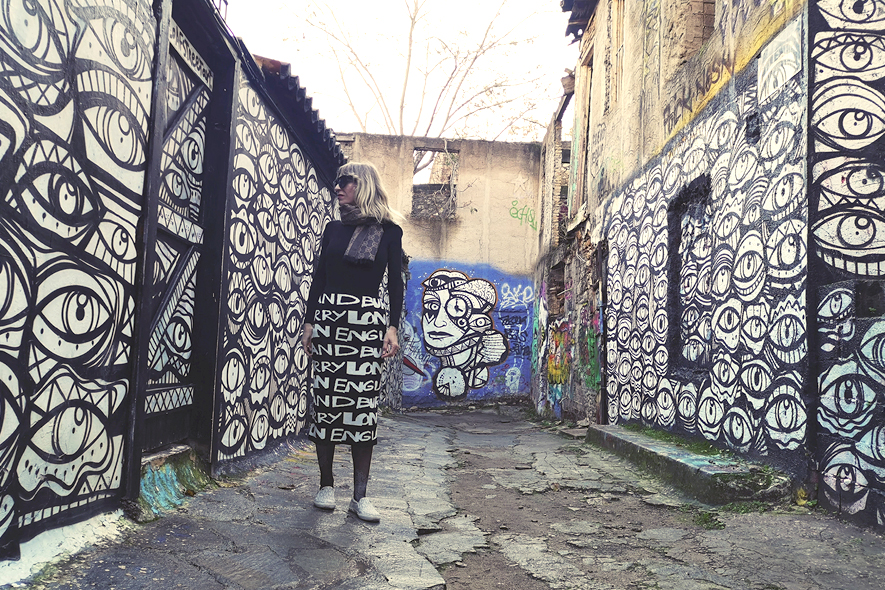
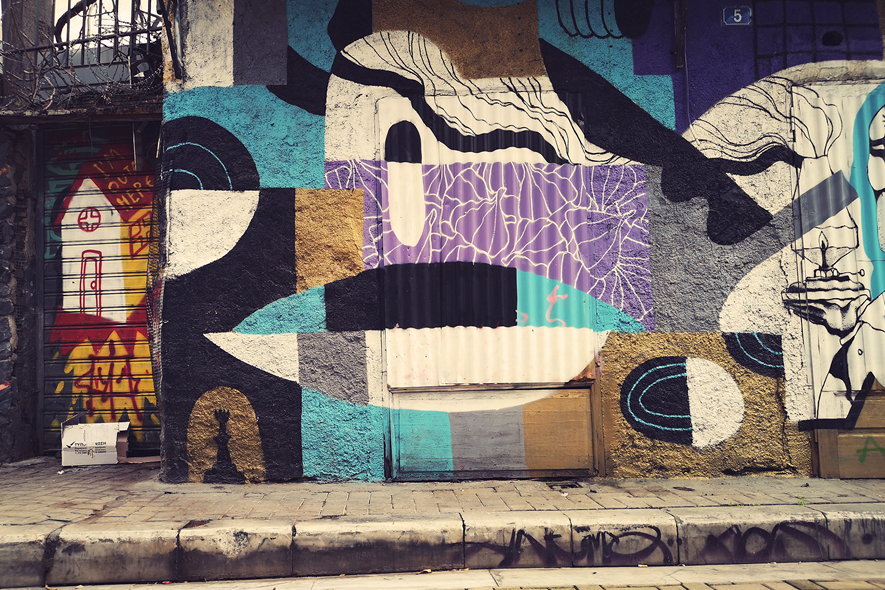
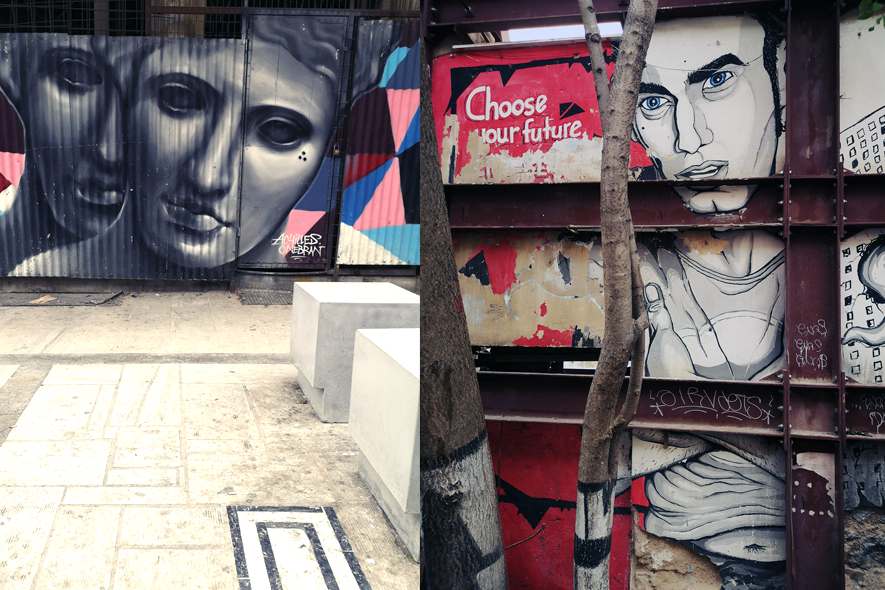
migration then the Thissio district continues in the direction of To Melidoni Street. The two central buildings of Greek Jewry are located here: the white marble Beth Shalom and the 1904 Tree of Life synagogue. At the end of the street stands the Holocaust Memorial, whose abstract forms call to memory. From here the tour Psiri neighborhood turns into artisanal streets, where the “Gallery of the EYES“ graffiti works and alternative galleries give the city its modern, raw character.
This 20-kilometer stretch presents a serious physical challenge due to its numerous stairs and slopes, but the views are a worthy reward: from the tranquility of Anafiotika to the pulse of Psiri, you'll discover Athens' most extreme faces.
Right: Piraeus Metro Station | Distance: 20 km ↔
The concluding section leading from the urban fabric to the vastness of the sea is the bustling It departs from the port of Piraeus. The road to Piraiki You continue along a rocky coastline, where the monumental remains of ancient fortifications and Konon's walls accompany your steps directly by the water. This section ends at the Stavros Niarchos Foundation Cultural Center (SNFCC), one of the most important examples of modern architecture in Greece.
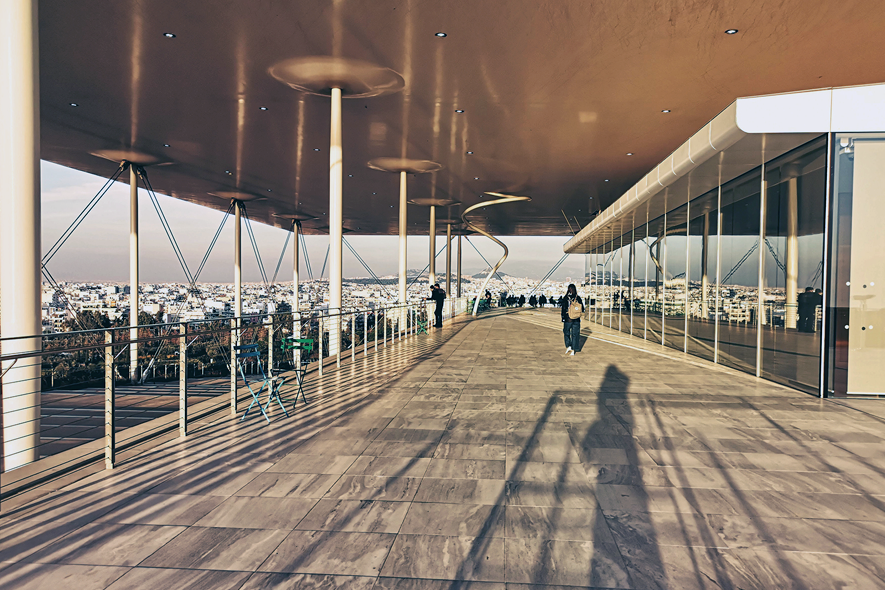
In the heart of the complex, there is the National Library of Greece, which symbolizes the continuity of knowledge and culture. The reading rooms, surrounded by vast glass walls and flooded with natural light, along with the multi-story bookshelves, provide an experience of intellectual elevation. The rooftop garden above the library, the „Pharos,” offers a 360-degree panorama of the Aegean Sea and the Acropolis.
The sunset here is the experience of the „magic hour” that holds its own value. This moment is proof that Whatever happens, the day can end like a fairy tale. The evening walk in the park's meditation gardens and the proximity to the sea help to gain perspective on the events of the 100-kilometer trek. This mental summary concludes the physical journey and creates inner well-being before returning home.
Before you head to the airport, enjoy these last few moments together. Take one more group photo. Have one last drink. (Okay, maybe a couple.) But this isn't goodbye. It's a „see you later.”.
Hello! Hello!