

Montserrat Tour: The Monastery and the Black Madonna
1 DayWhat makes this tour special?
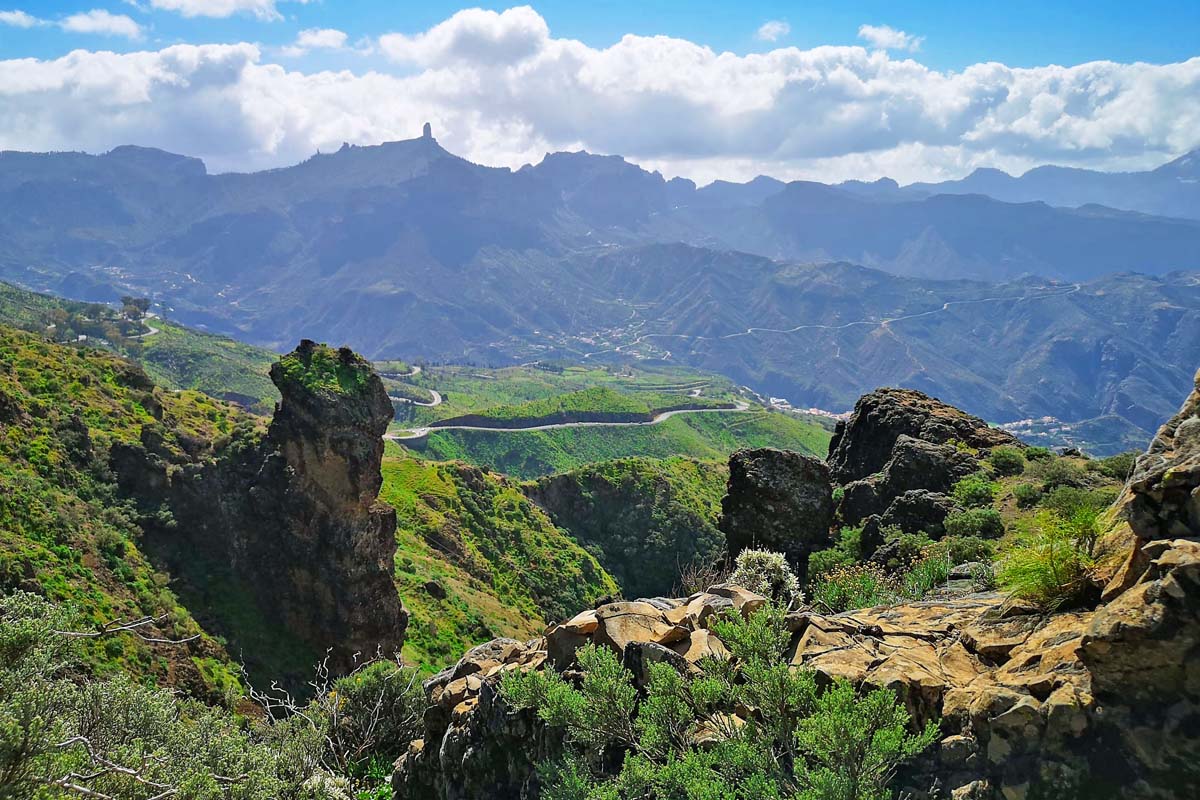
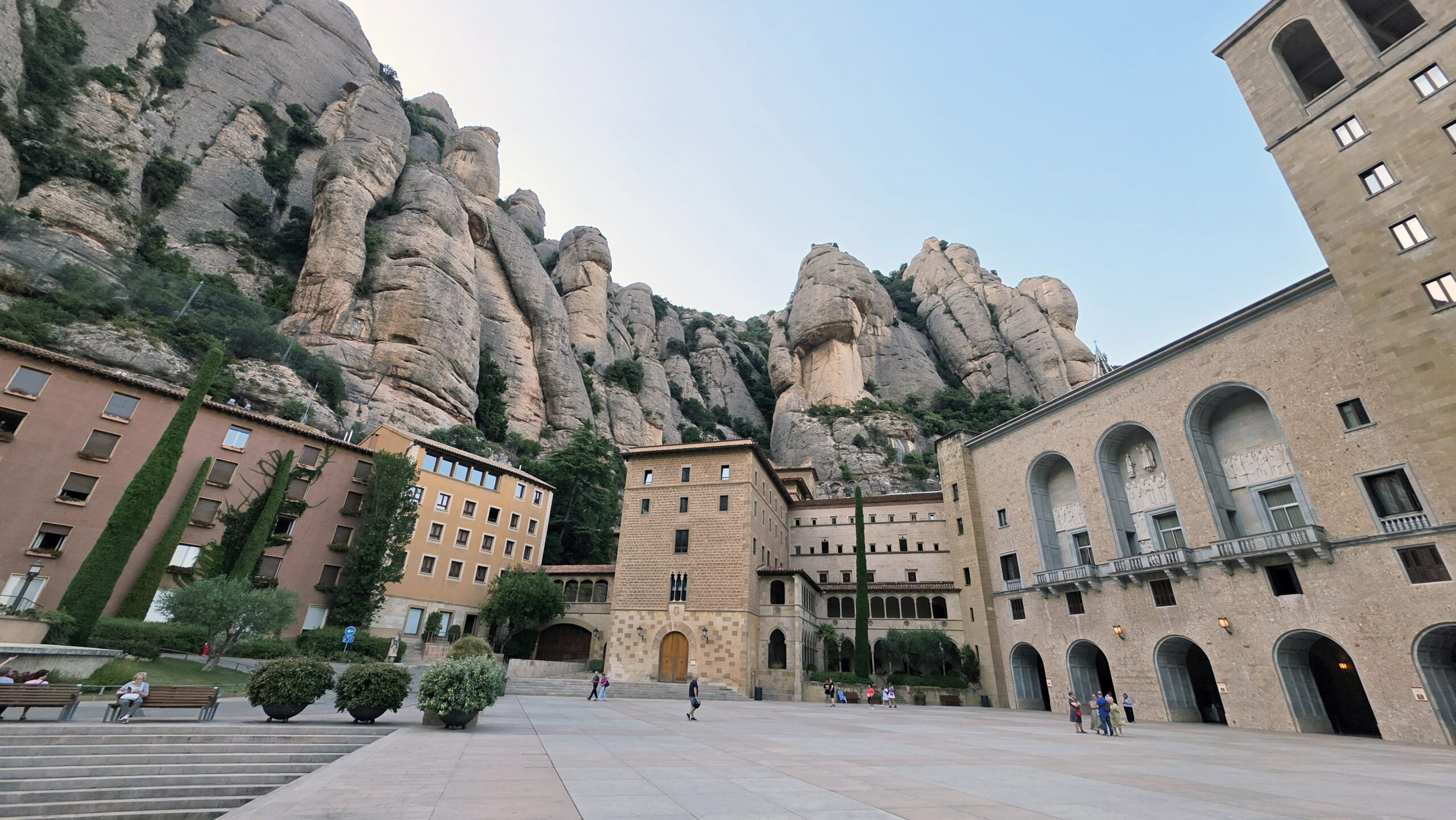
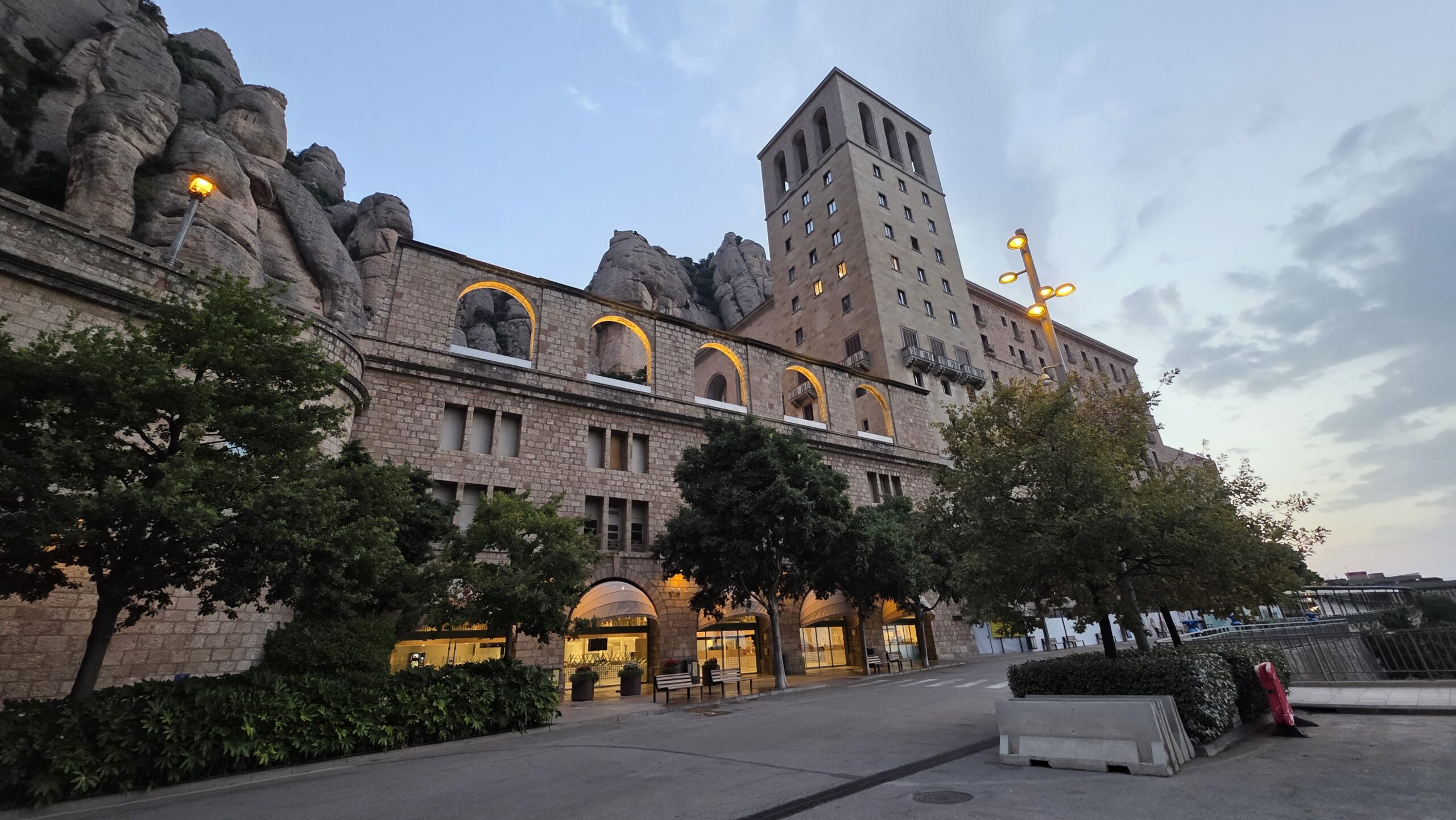
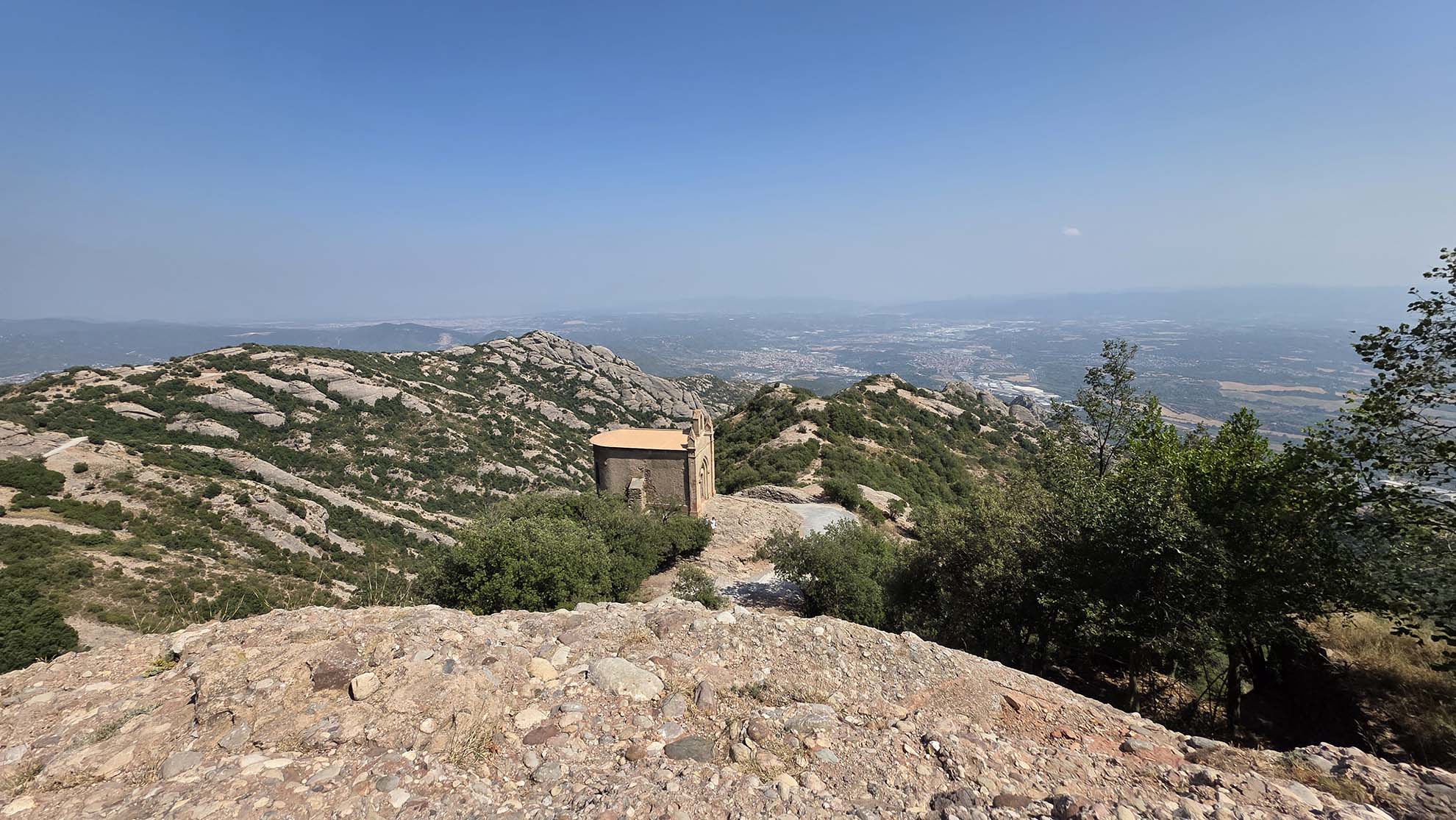
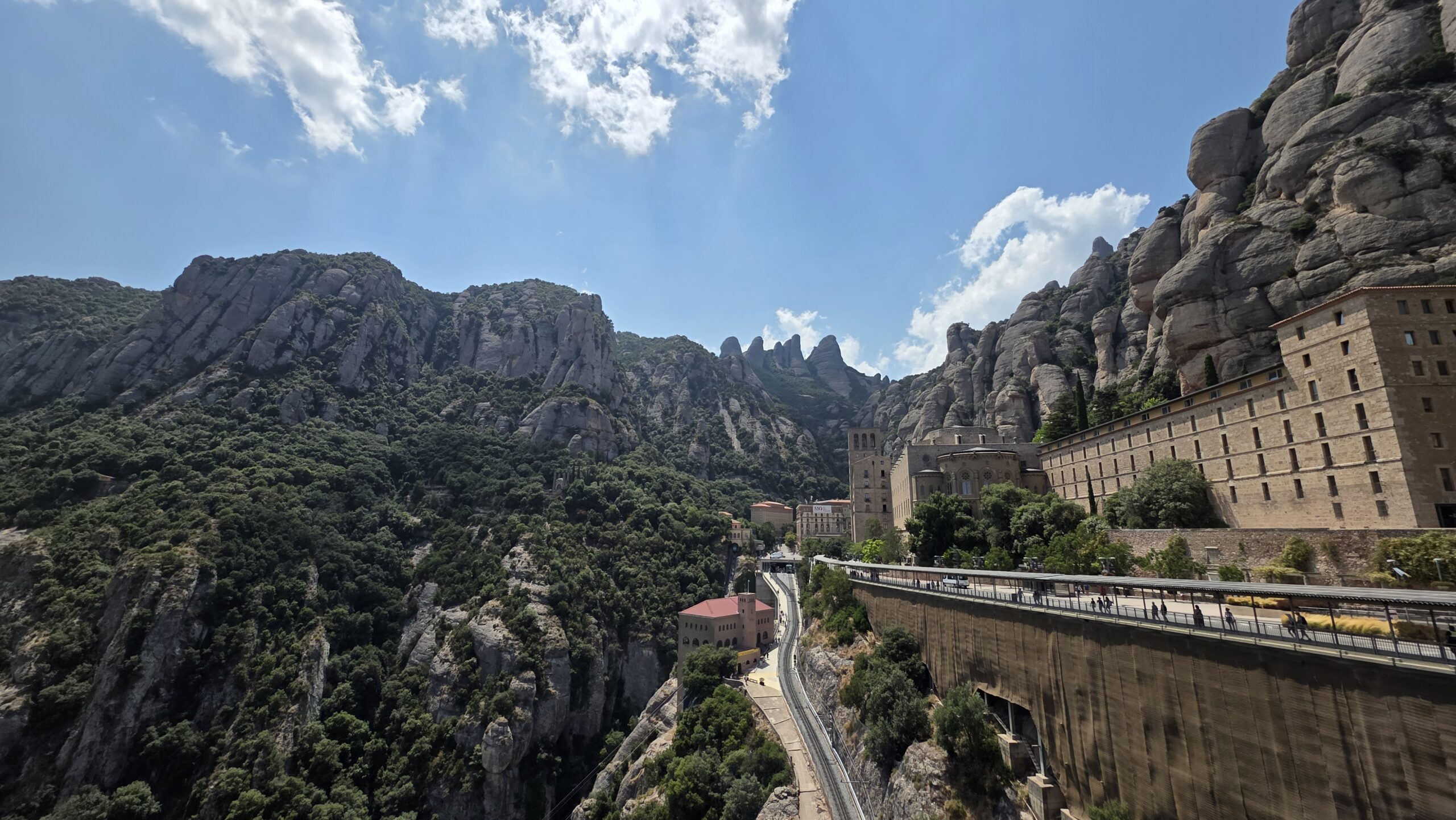
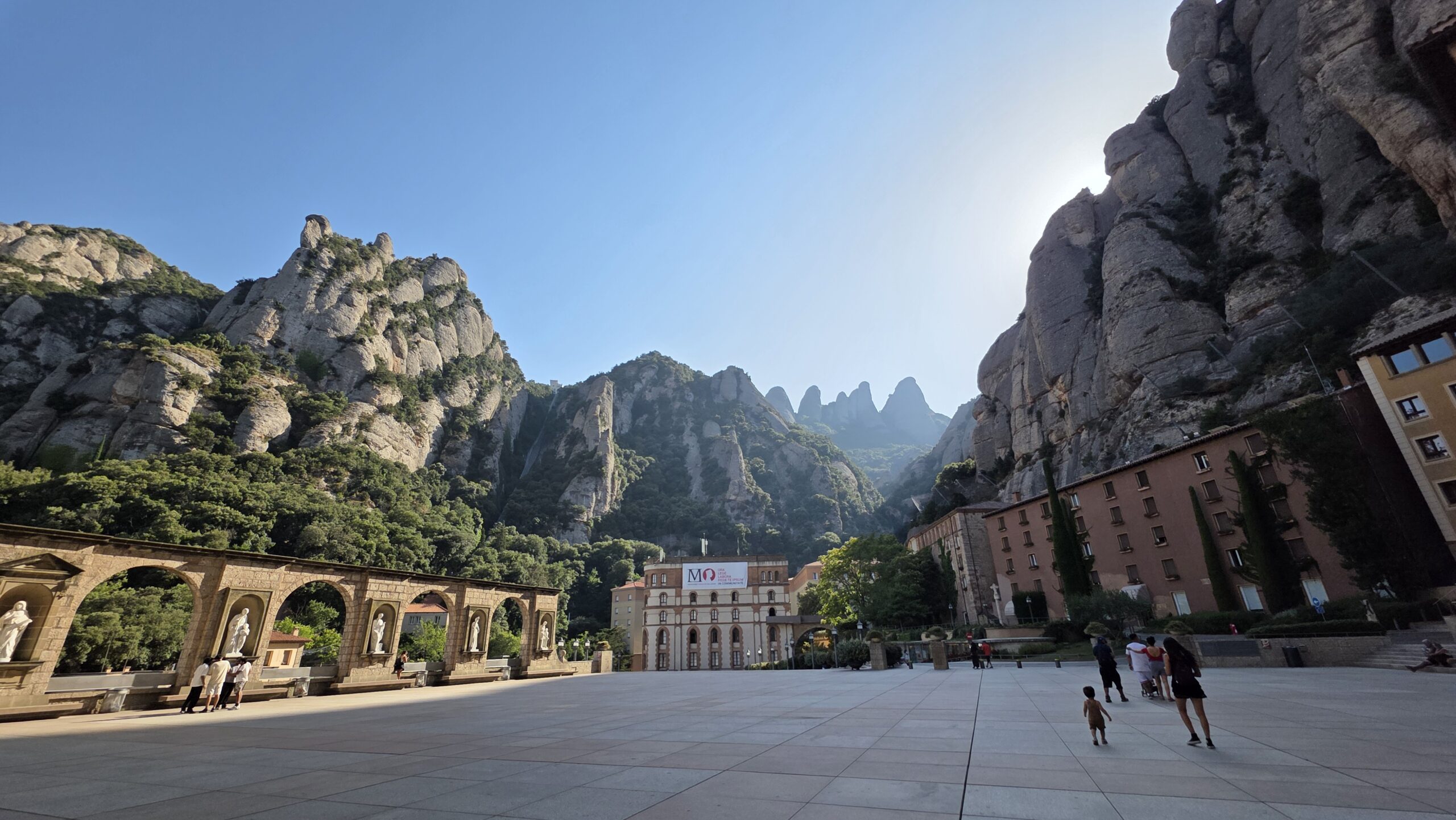
Montserrat Monastery is one of Barcelona’s most extraordinary day-trip destinations, offering a unique blend of breathtaking mountain scenery, rich history, culture, and sacred traditions. Known as the "serrated mountain," Montserrat's jagged rocky range is a spectacular sight in its own right, while the monastery itself affords stunning panoramic views across Catalonia—reaching as far as the Pyrenees on a clear day.
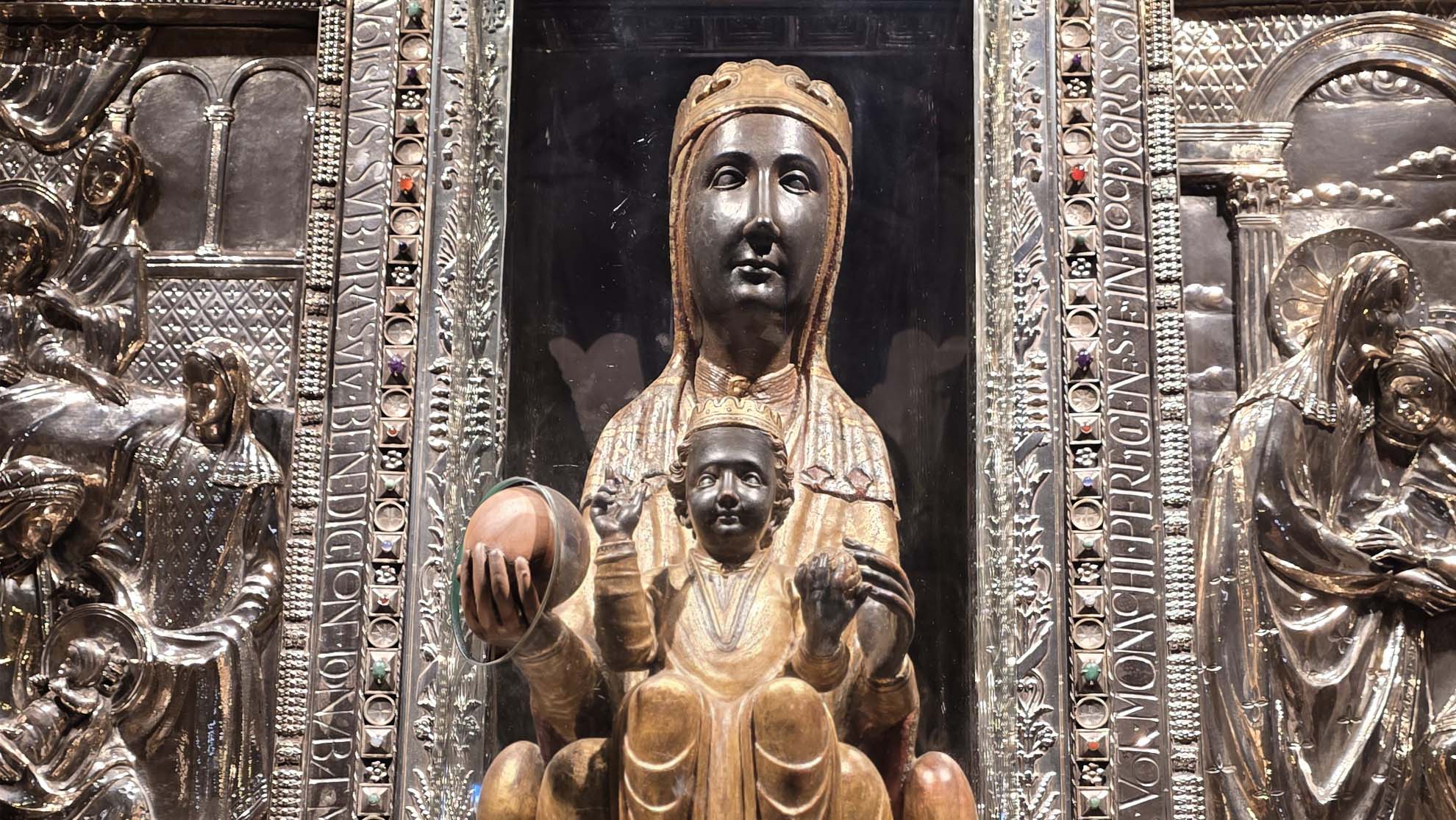
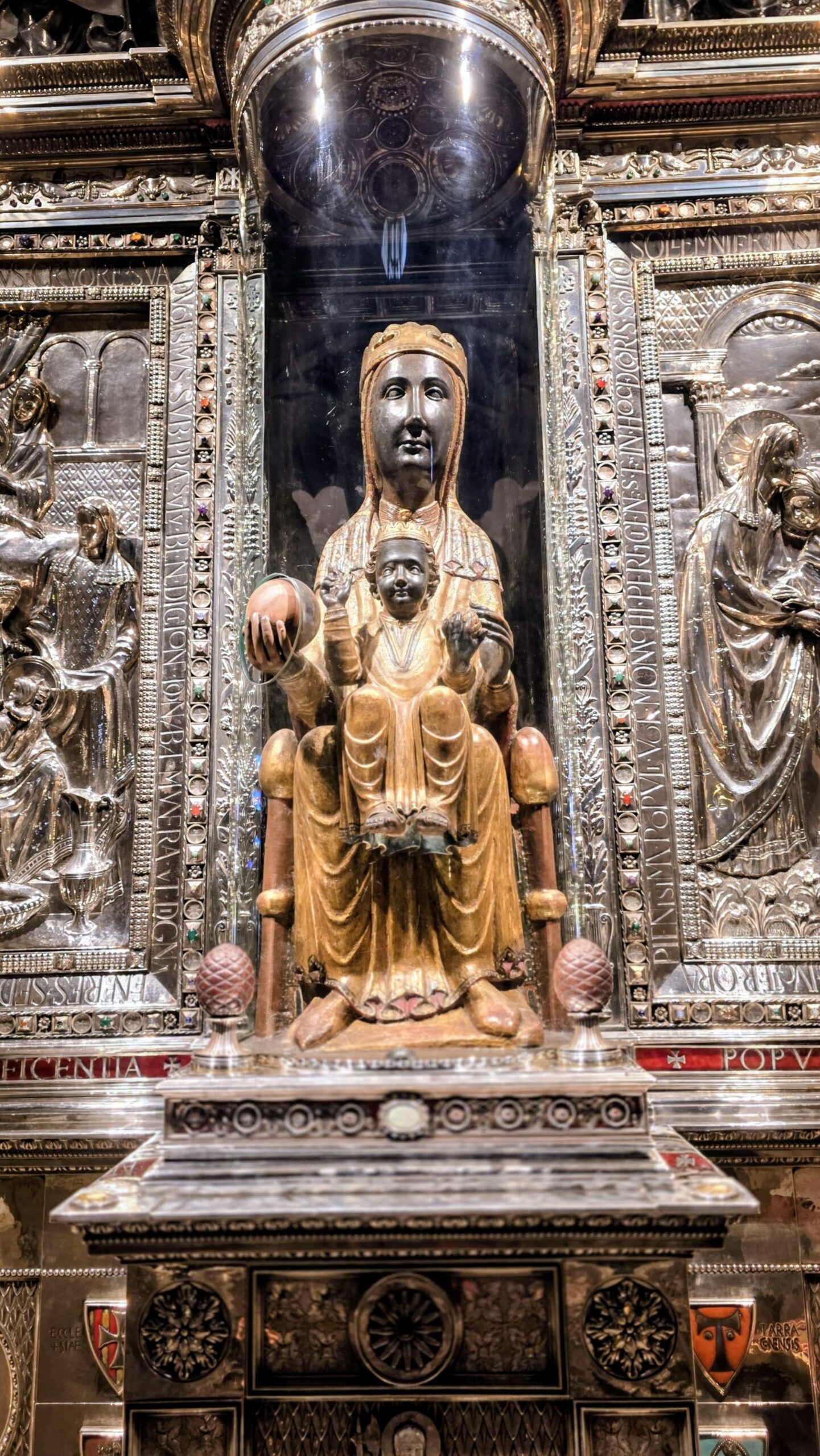
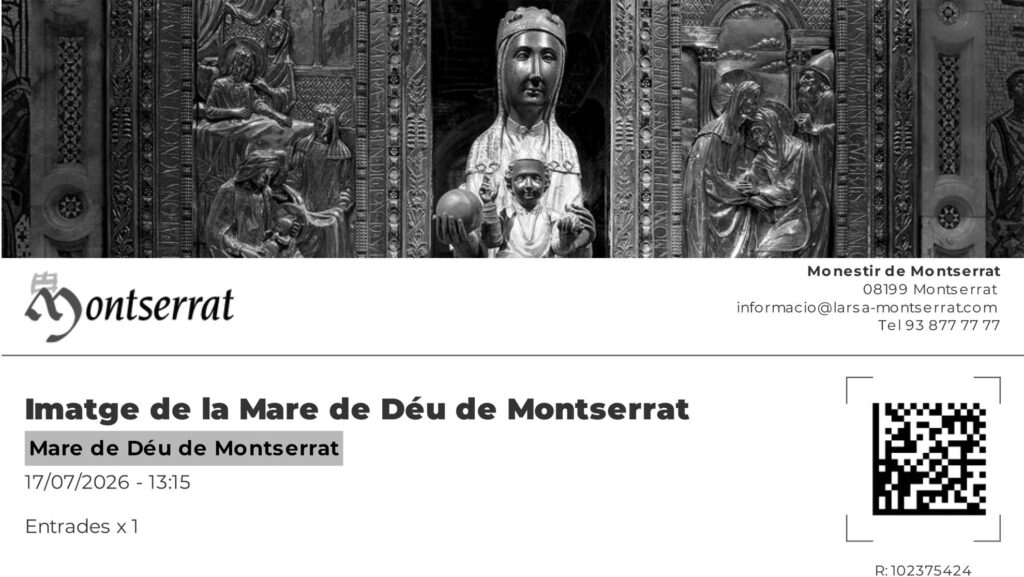
The main attraction of Montserrat is La Moreneta (the Black Madonna), the patron saint of Catalonia. Housed above the high altar of the basilica, this 12th-century wooden statue has been an important pilgrimage site for centuries, steeped in legend and associated with numerous miracles. Its dark color is the result of the natural material of the wood aging over time.
The history of Montserrat spans over a thousand years, with the mountain holding religious significance even in pre-Christian times. The earliest monastic communities emerged in the late 9th century, and the present Benedictine monastery was founded in 1025. Driven by devotion to La Moreneta, Montserrat grew to become one of Catalonia’s most vital pilgrimage sites.
Visiting Montserrat is a truly special experience, offering a seamless blend of natural beauty, historical intrigue, and rich cultural heritage. It is well worth a visit even beyond its religious appeal: the awe-inspiring mountain landscape, sweeping panoramas, world-class museum, the famous boys' choir performance, and extensive hiking trails make it one of the most memorable day trips from Barcelona. Setting aside a full day is highly recommended to fully appreciate the monastery and explore the surrounding peak trails at a relaxed pace.
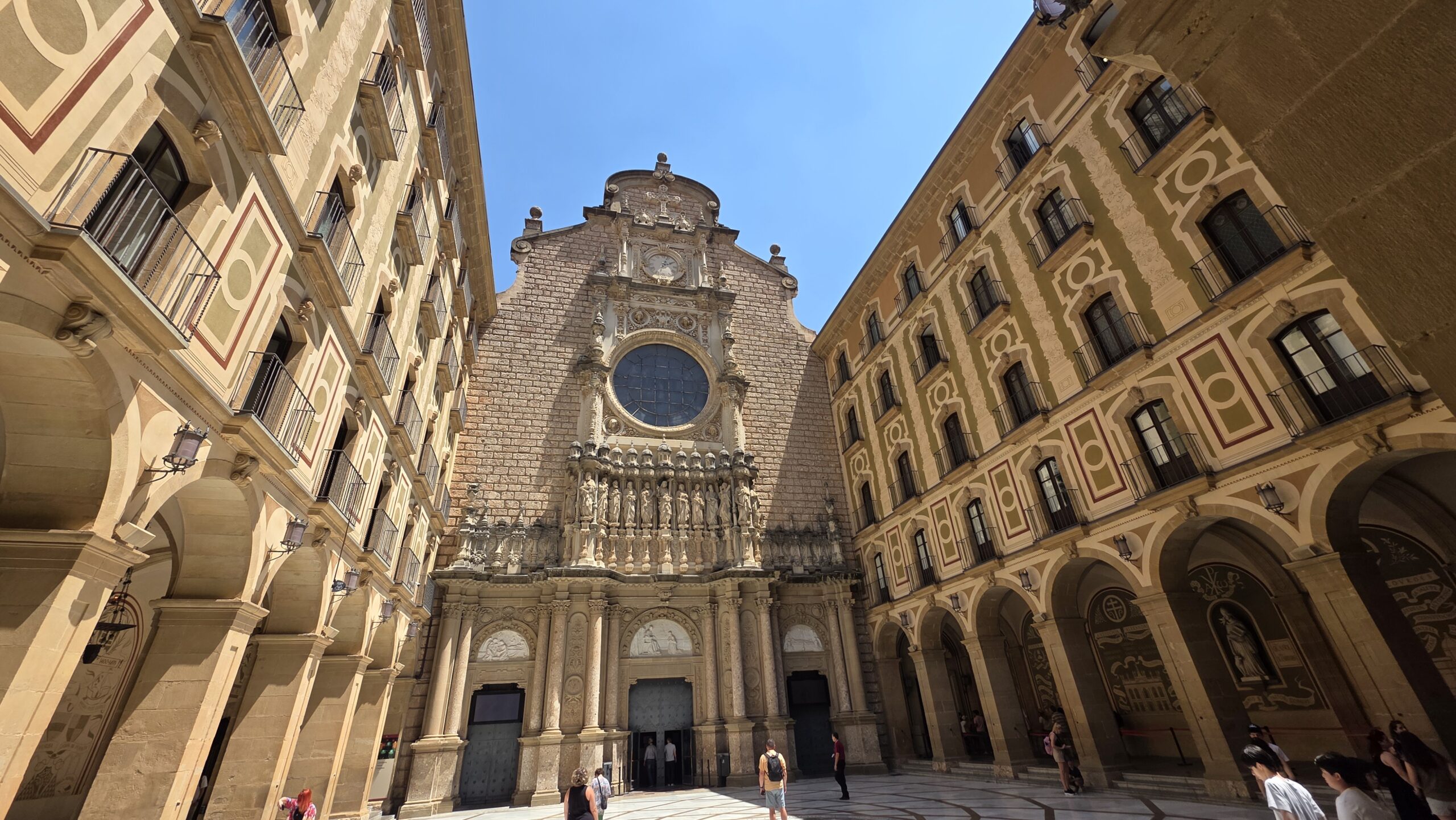
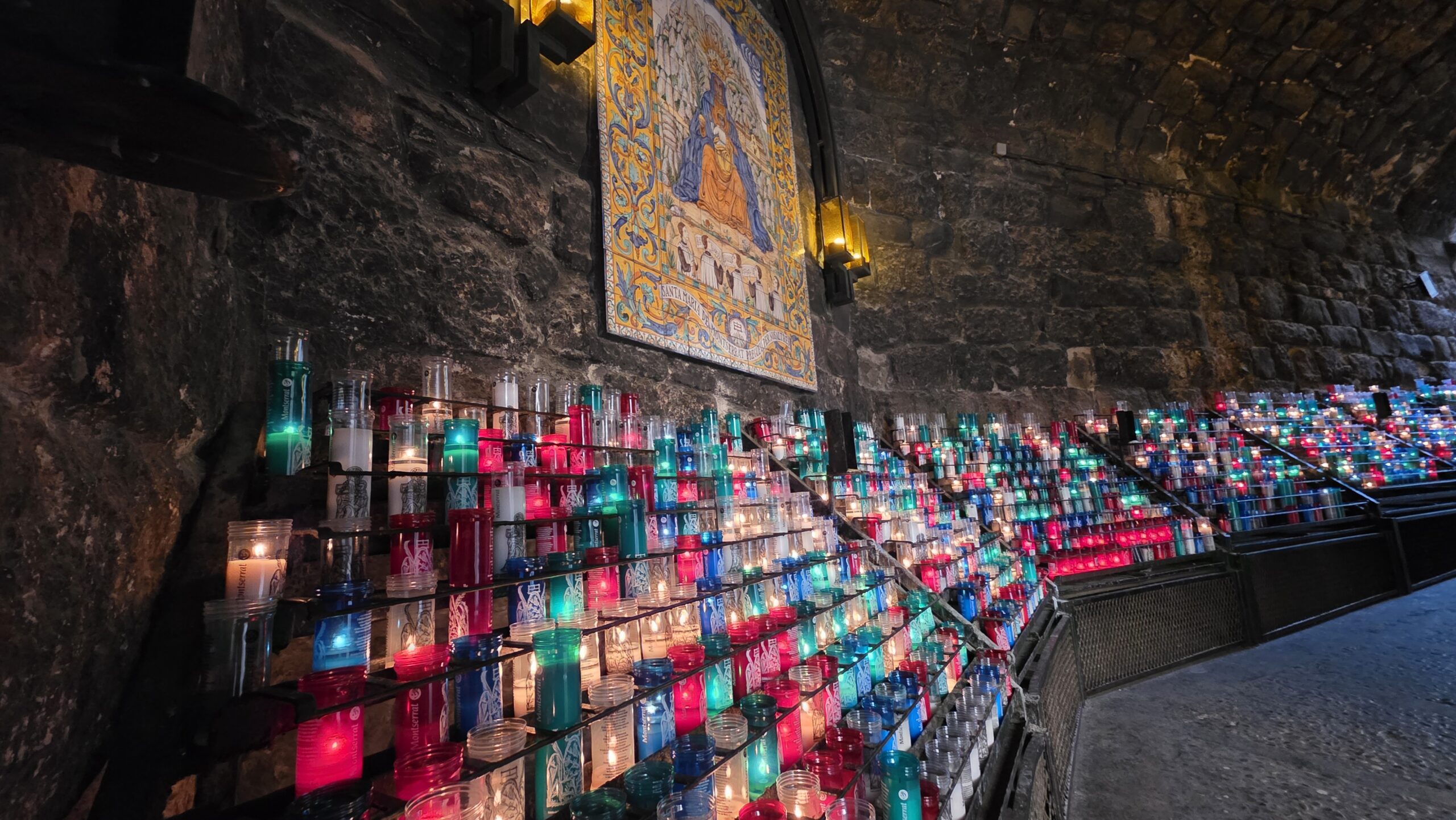
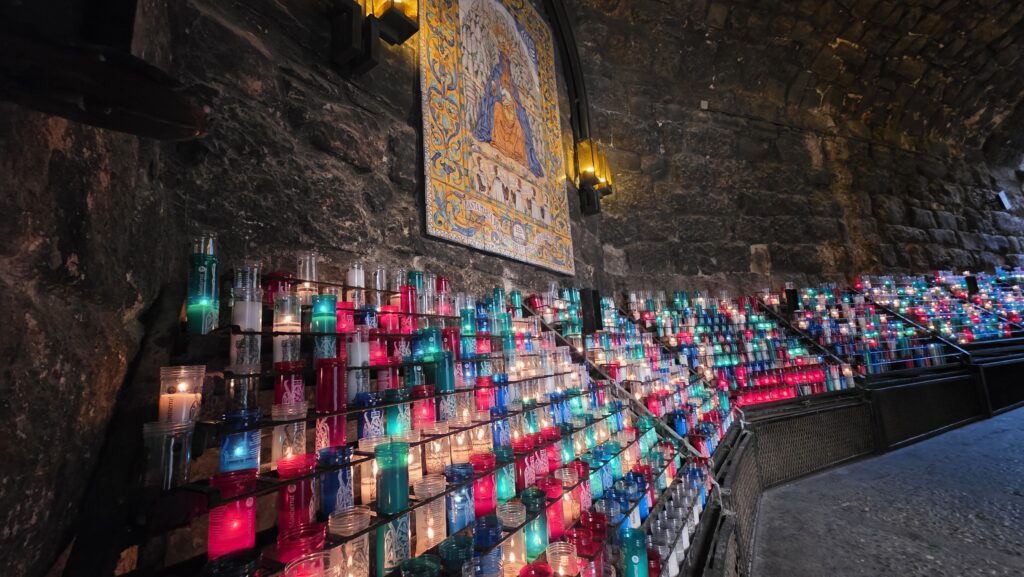
Next to the basilica lies the Hall of Candles (Sala de les Candeles / Candle Chapel), where visitors can light a candle for prayer intentions. Located in a distinct area of the monastery, access is separate from standard basilica admission, with candles typically purchased individually (€2.50).
Montserrat and the Legend of the Hidden Monks
Montserrat Mountain held sacred significance long before the advent of Christianity. During the Middle Ages, hermits inhabited the mountain's rocky caves and hollows, seeking spiritual devotion in total isolation. According to legend, shepherds discovered the statue of the Virgin Mary in one such cave during the 9th century, drawn by mysterious lights and heavenly songs emanating from the cliffside. While rooted in religious tradition rather than verified historical fact, this legend played a pivotal role in shaping Montserrat's enduring spiritual importance.
The Monastery's Secret Role During the Franco Dictatorship
What is less emphasized for tourists is that Montserrat served as a vital hub of Catalan resistance during the 20th century. Throughout the Franco regime (1939–1975), strict restrictions were imposed on the Catalan language, yet the monastery continued to hold masses and host cultural events in Catalan.
In many ways, the monastery functioned as a refuge. Political dissidents, intellectuals, and opponents of the regime found sanctuary here, with monks actively helping hide some individuals or aiding in their escape. Consequently, the monastery remained under tight surveillance by the authorities throughout the Spanish dictatorship. Beyond its spiritual role, Montserrat evolved into a powerful symbol of Catalan identity.
The monastery plundered by Napoleon's soldiers
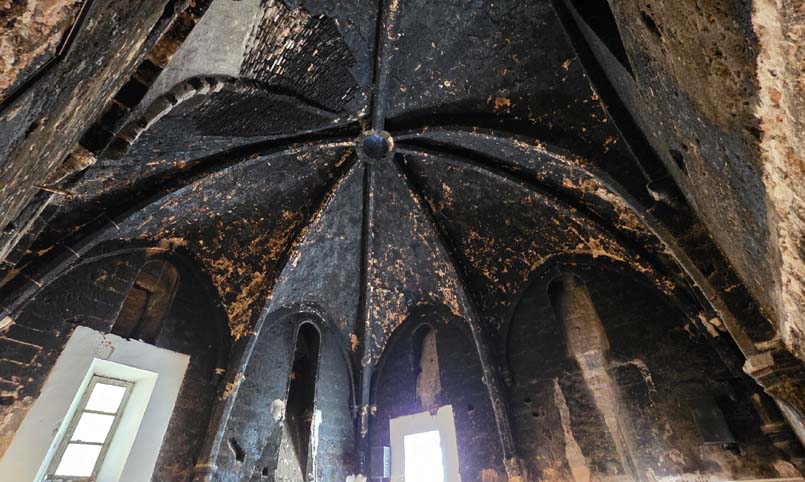
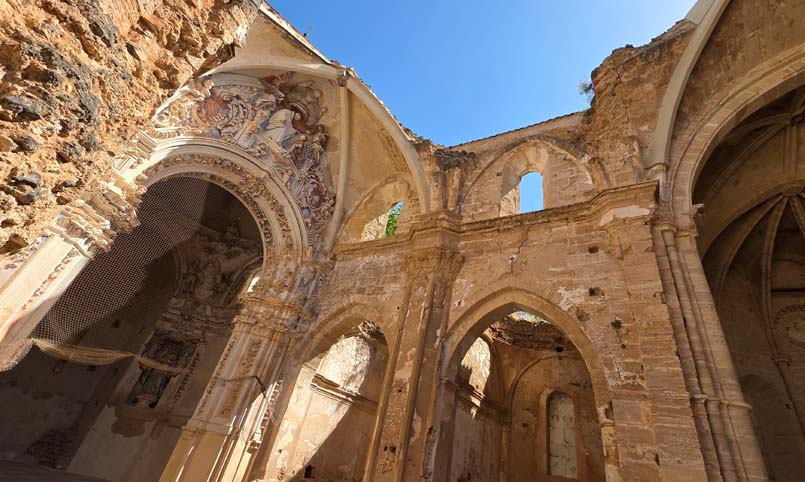
While visitors today experience a serene and orderly monastery, Montserrat has endured multiple waves of destruction throughout its history. In 1811, Napoleon's forces occupied the area during the Peninsular War, plundering and burning much of the complex and forcing the monks to flee.
Countless invaluable books, artworks, and historical documents were lost during the destruction. Consequently, much of the present-day complex is the result of extensive reconstruction rather than original medieval architecture.
The Black Madonna
A La Moreneta szobrához számos legenda kapcsolódik. Az egyik szerint a szobrot a muszlim hódítások idején rejtették el a hegyben, hogy megmentsék a pusztulástól, és csak évszázadokkal később találták meg újra.
Historians date the statue to the 12th century, indicating it is not an ancient artifact from the apostolic era as some legends claim. Nevertheless, the profound faith and devotion surrounding it have earned it a monumental role in Catalan history.
The mountain is an isolated spiritual world
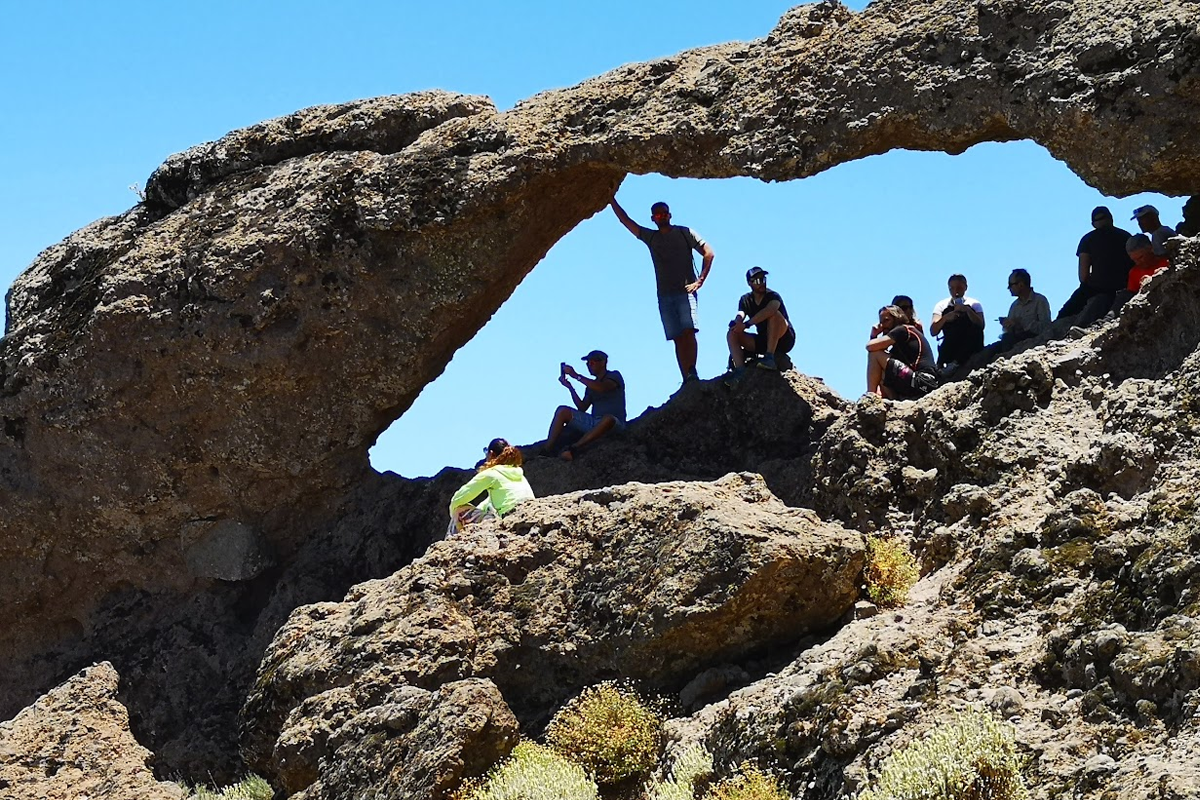
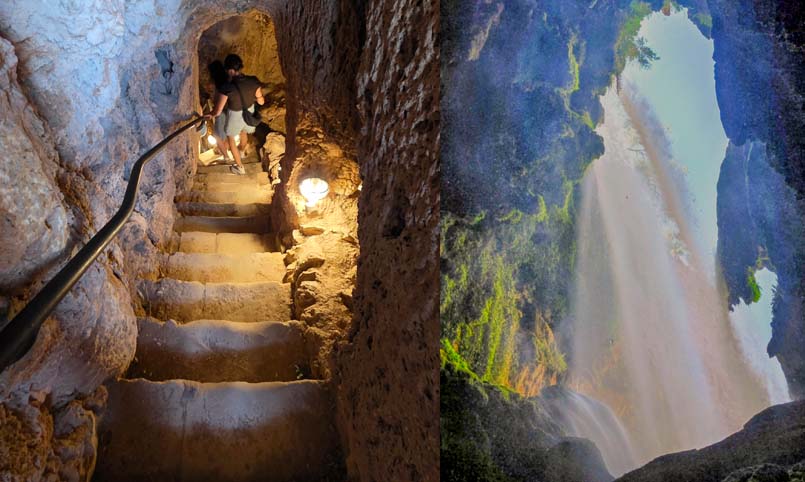
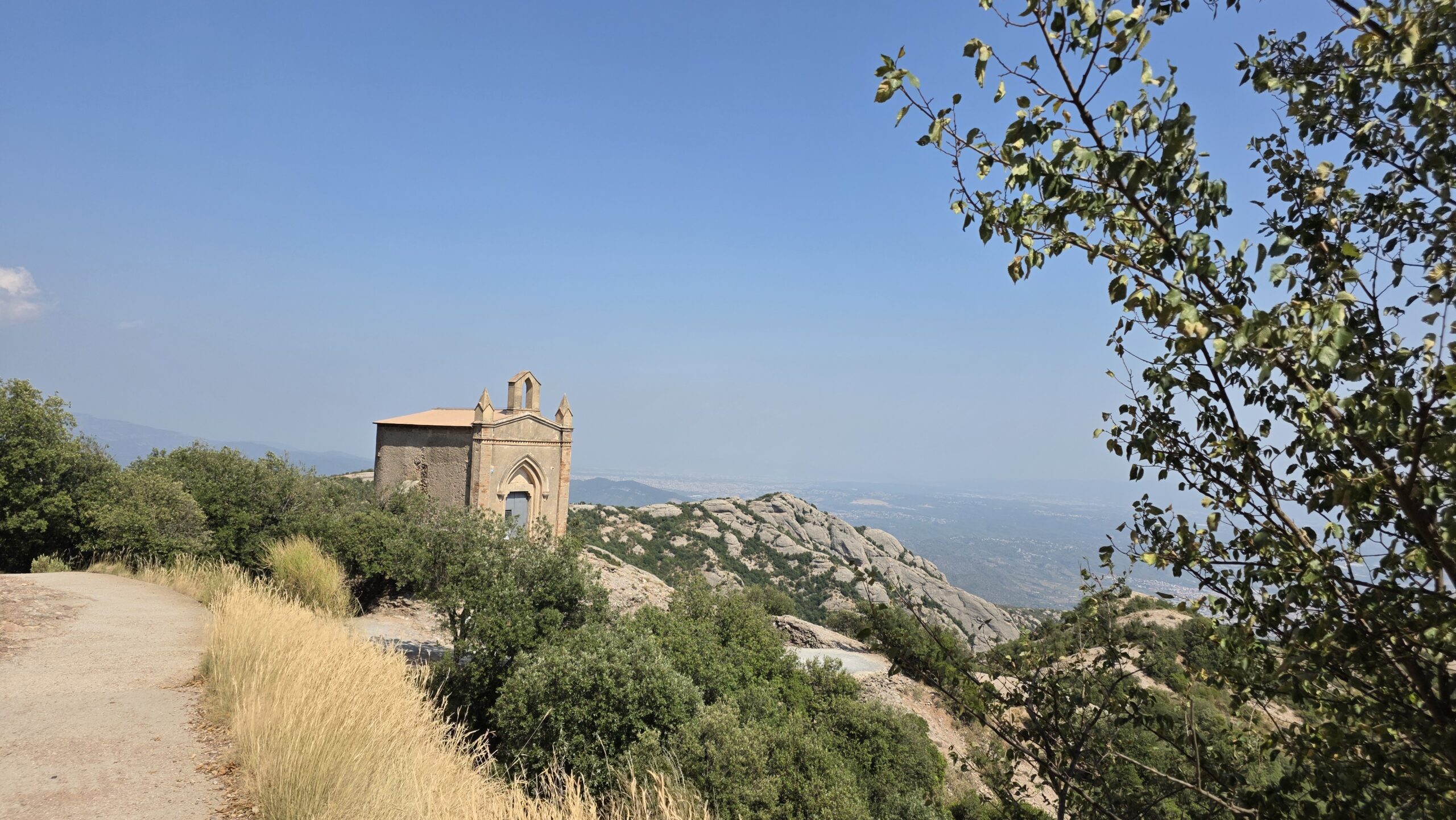
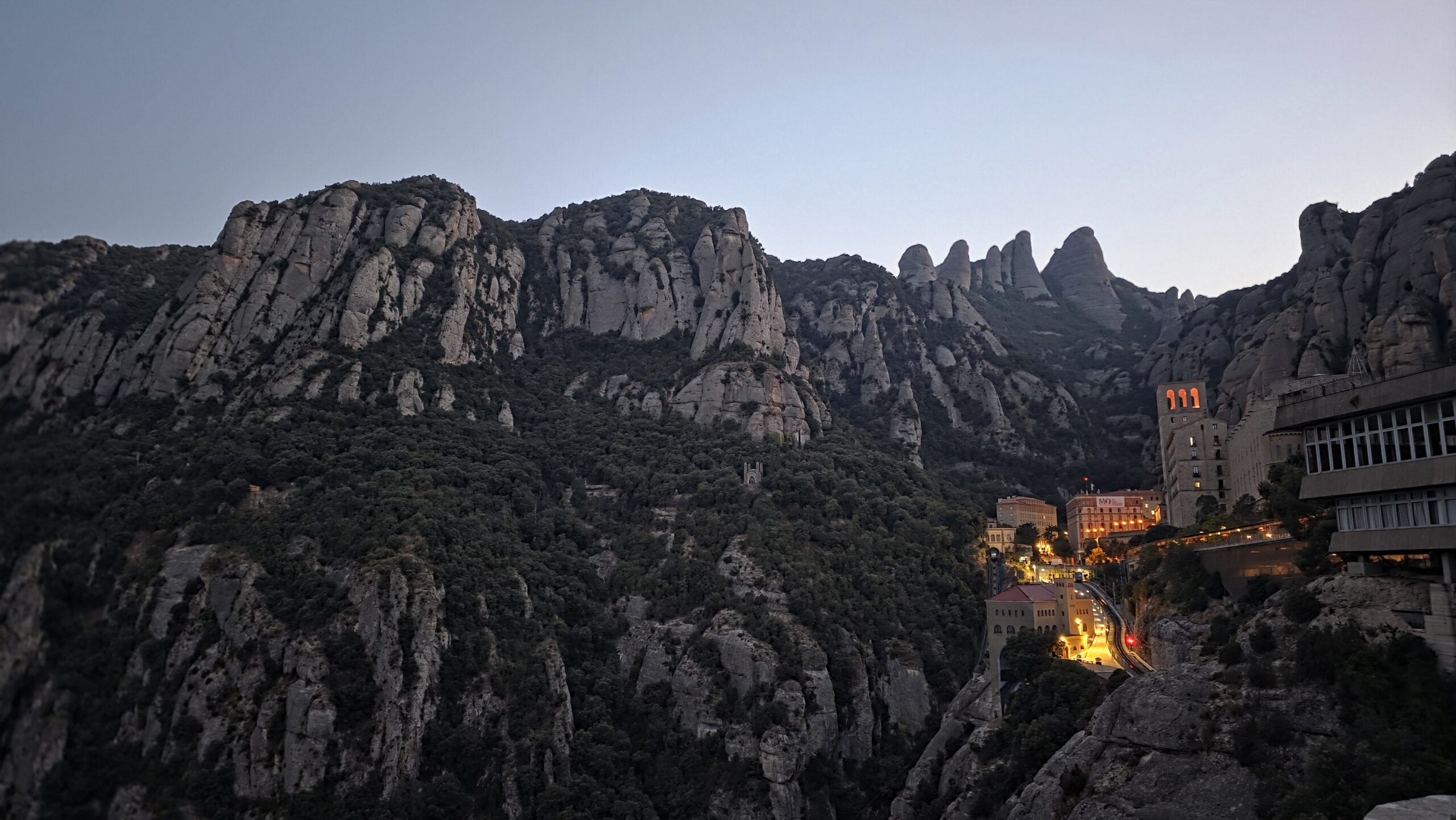
The crags of Montserrat are honeycombed with numerous small caves and natural hollows, which served as hermitages for solitude-seeking monks over many centuries. Narrow paths wind toward some of these secluded shelters, recalling an era when the mountain was an isolated spiritual retreat rather than a bustling modern landmark.
Modern visitors often see only the basilica and the sweeping views, but the mountain is actually crisscrossed with abandoned hermitages, ancient trails, and secluded sites where people spent centuries living in complete solitude.
Useful Tips
It is wise to bring your own food and plenty of water, as the restaurants and snack bars on the mountain are quite expensive. Staying properly hydrated is especially essential in the summer heat, yet cold water and basic groceries on-site cost significantly more than in Barcelona. Aside from the buffet lunch—which costs around €21 per person—most food and drink prices are multiple times higher than city rates.
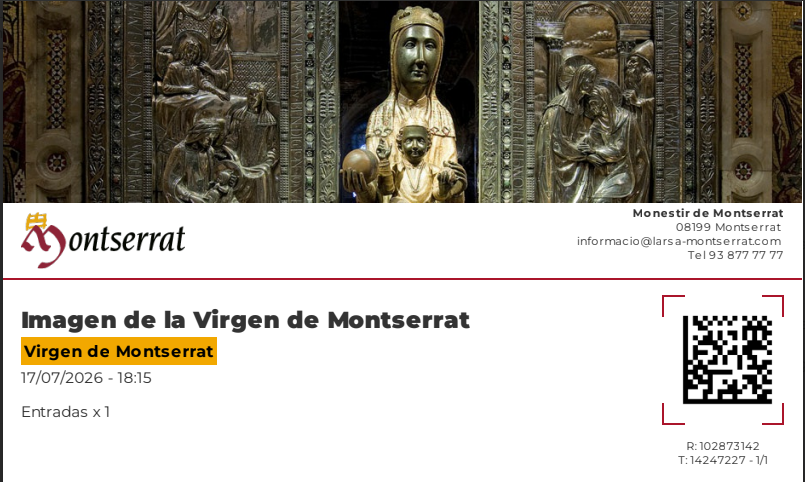
Visiting the basilica and the Black Madonna (La Moreneta) requires a scheduled time slot, so planning ahead is essential.
Visitors must purchase their tickets online in advance. It is best to do this well ahead of time, as preferred slots can sell out quickly. If you attempt to buy tickets on-site using a QR code, you may find that only much later entry times remain available.
Admission is free for residents of Spain, though prior registration is required.
Official ticket booking: here
| Ticket | What does it contain? | Price online | On-site |
|---|---|---|---|
| Basilica Admission Ticket | Admission to the basilica, with an audio guide | 9 € | 10 € |
| Admission ticket of Black Madonna | Tour of the Basilica and the throne of the Black Madonna (La Moreneta), with an audio guide | 12 € | 14 € |
| Bazilika + Múzeum belépő | Bazilika és a Montserrati Múzeum látogatása | 12 € | 14 € |
| Montserrat Museum Admission Ticket | Just a visit to the museum | 11 € | 12 € |
| Montserrat Visitor Package | Basilica + outdoor exhibition + audiovisual presentation + Montserrat Museum | 20 € | 22 € |
| Montserrat Visitor Package + Black Madonna | Látogatói csomag + Fekete Madonna trónusának megtekintése | 23 € | 25 € |
| Lux Splendens Light Show | Basilica admission + special light and video show | 12 € | 14 € |
Top Attractions/Essential Gear
Don't miss it
- Montserrat bazilika
- Fekete Madonna (La Moreneta)
- Santa Cova (Szent Barlang)
- Monumentális Rózsafüzér (Rosari Monumental)
- Via Crucis (Keresztút)
- Sant Miquel-kápolna
- Miranda de Fra Garí kilátópont
- Els Degotalls sétaút
- Sant Joan sikló és kilátópont
- Montserrat-hegység konglomerátsziklái
What should you bring with you
- 1-1,5 l water
- Naptej, Kalap
- Hiking shoes
Trip Information
-
Montserrat, Barcelona
-
6 h
-
Hotel
-
Not available
-
Büfé, Csomagolt
Time to explore
What you will love.
- The breathtaking mountain panorama and the unique rock formations.
- The Black Madonna (La Moreneta) and the atmosphere of the basilica.
- Mountain hikes and the thrill of the ascent—whether by cogwheel train or cable car—are an experience in themselves.
Stages
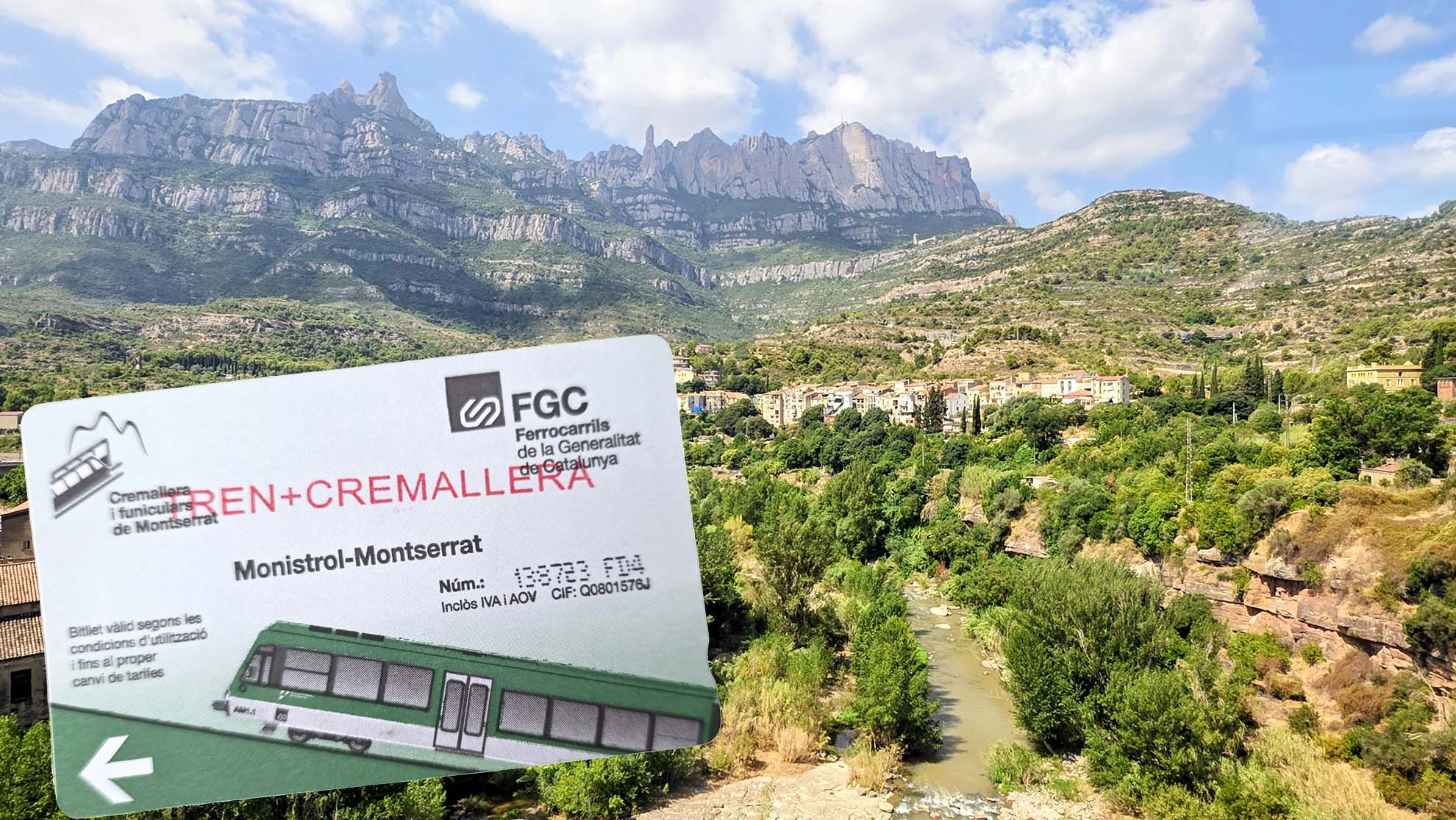
You can travel from the Plaça Espanya station aboard the FGC R5 train to the foot of the mountain. From there, you have two options: soar between the crags on the cable car (Aeri) or wind your way up to the monastery via the rack railway (Cremallera). A round-trip ticket between Barcelona (Pl. Espanya) and Montserrat combining train and rack railway costs €26.30 for adults. If you prefer traveling by train and cable car (Aeri), the round-trip ticket is €14.00, while taking only the train (FGC segment exclusively) costs €13.80.
The rack railway, known as the Cremallera de Montserrat, requires transferring from the train one stop later at the Monistrol de Montserrat station. Originally opened in 1892 and reopened in 2003 following comprehensive modernization, these green panoramic trains trace a 5-kilometer climb up the mountainside in 15 minutes—offering a smooth, gradual ascent ideal for travelers who prefer continuous, peaceful scenery over sheer vertical drops.
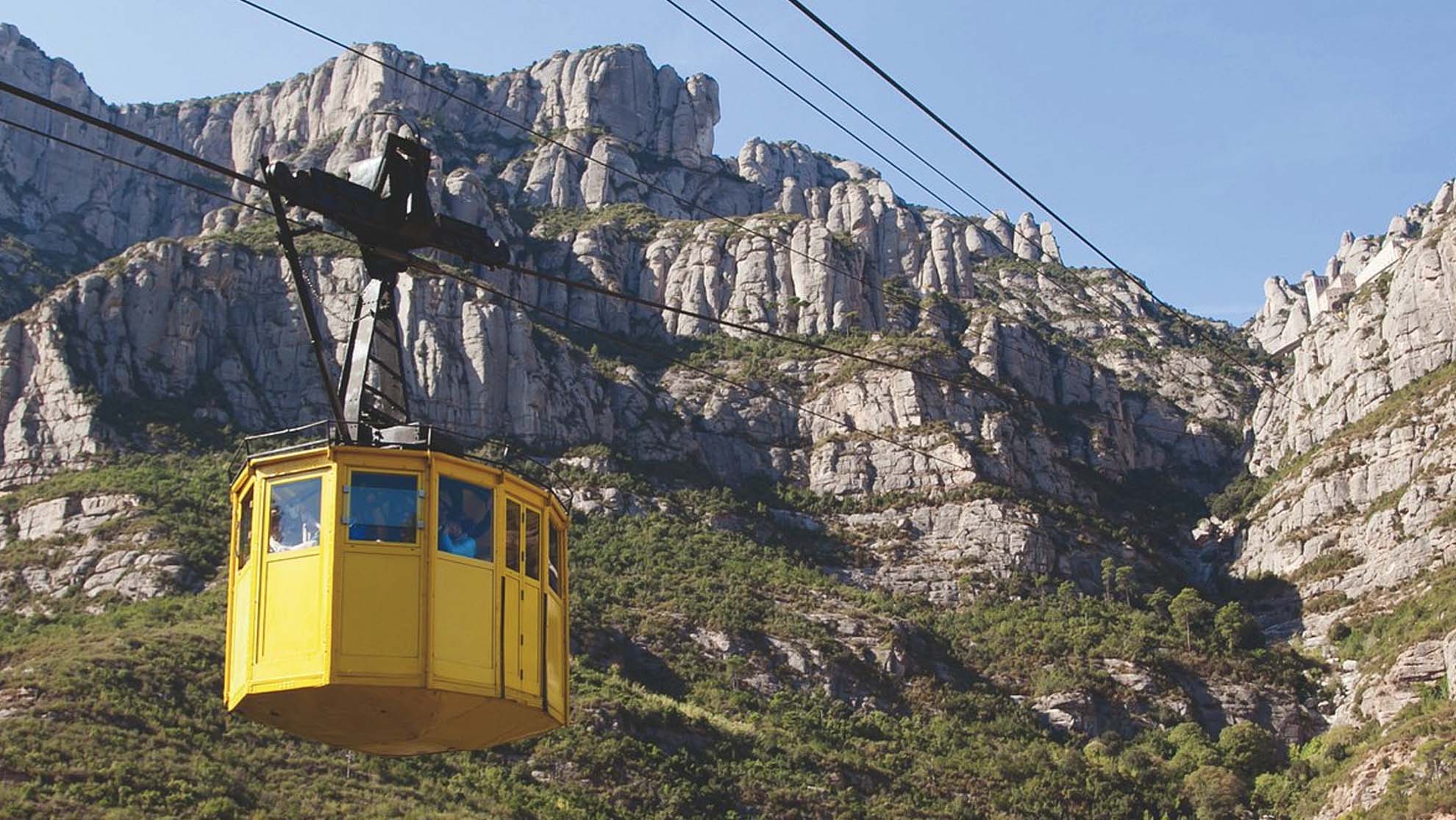
The iconic yellow cable car, the Aeri de Montserrat, offers the oldest and most exhilarating way to reach the sanctuary. Opened in 1930, this aerial tramway has carried passengers along its original route ever since. Travelers disembark from the train at the Aeri de Montserrat station, where the cabin glides across the 1,350-meter distance in just 5 minutes, scaling a vertical rise of 544 meters. With maximum gradients reaching 45 degrees, the cable car suspends passengers alongside sheer cliff faces, unlocking dramatic, sweeping views of the river valley below.
Prior to the launch of the Aeri, journeying to the Abbey of Montserrat meant relying on horse-drawn carts, traveling on foot, taking the original rack railway, or utilizing other early conveyances of the era.
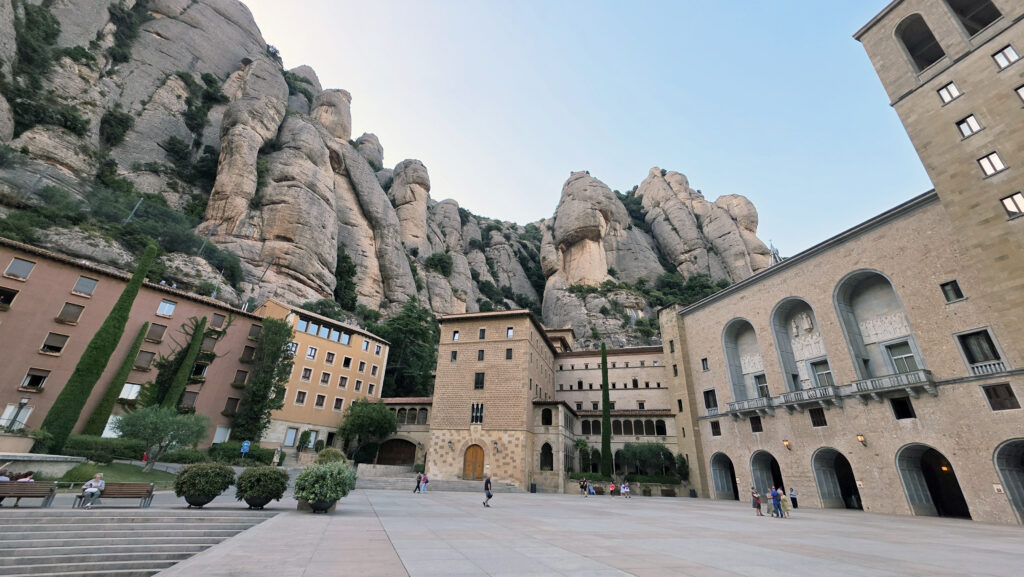
A 720 méteres magasságban elterülő bencés kolostort 1025-ben alapította Oliba apát, Ripoll és Cuxa elöljárója. A hegyen azonban már a 9. században is álltak apró remetelakok. A hely szelleme a kezdetektől fogva a fizikai elszigeteltségre és a kontemplatív elcsendesedésre épült. A sziklahasadékok közé zárt architektúra filozófiája a földiből a szent felé törekvést tükrözi: az ember alkotta kőfalak és a természetes sziklatűk formái szinte egybefolyik.
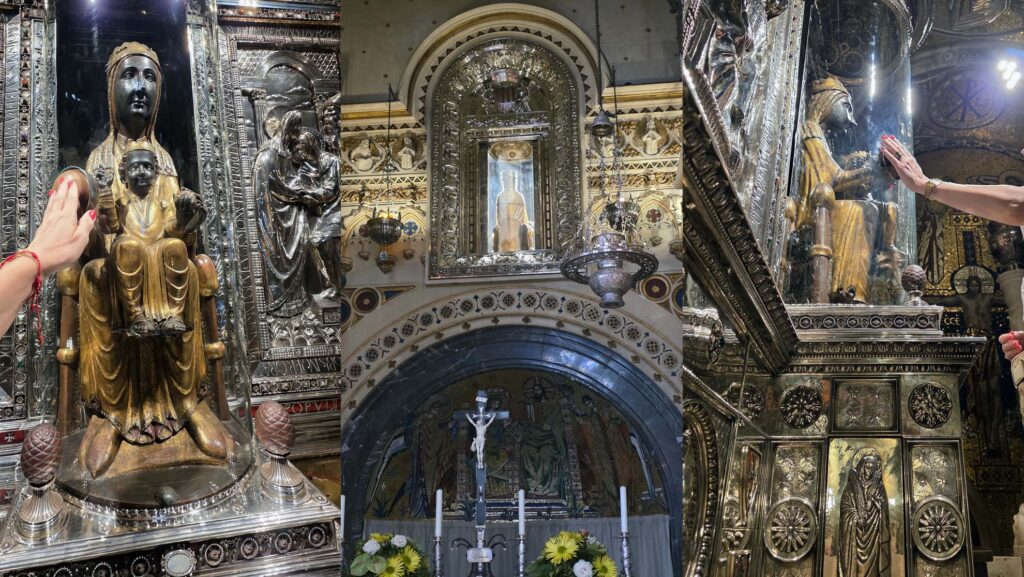
A zarándoklatok és a szentély központi eleme a 12. század végéből származó, romantika kori fafaragvány, a Fekete Madonna, katalán nevén La Moreneta. A 95 centiméter magas, trónón ülő Mária-szobor a jobb kezében egy gömböt tart, amely a mindenséget szimbolizálja, míg a gyermek Jézus a bal kezében fenyőtobozt őriz, ami az örök élet és a termékenység jelképe. A szobor sötét, szinte fekete színét évszázadokon át a fa természetes öregedésének, valamint a gyertyák és a tömjén füstjének tulajdonították, bár a későbbi restaurálások igazolták, hogy az átfestések és a lakk reakciója is hozzájárult a sajátos tónushoz.
A szoborhoz fűződő csodavárás a 880-as évek legendájára nyúlik vissza. A néphagyomány szerint nyájat őrző pásztorfiúk égi fényt és angyali dallamokat észleltek a hegy egyik barlangjánál, a Santa Cova szikláinál. A jelenség egymást követő szombatokon megismétlődött, mire Manresa püspöke a helyszínre sietett. Amikor megpróbálták a megtalált szobrot leszállítani a völgybe, a faragvány olyan nehézzé vált, hogy lehetetlenné vált a mozgatása. A jelenlévők ezt égi jelként értelmezték: a szent tárgy a hegyen kívánt maradni, ami végül a kolostor megalapításához vezetett.
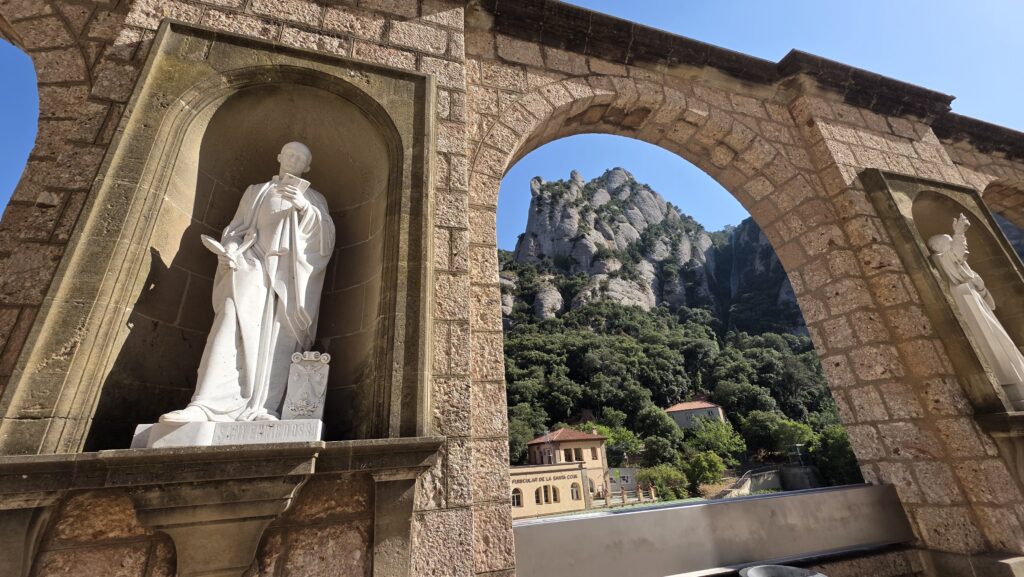
Throughout history, the Black Madonna has been revered for miraculous healings and protective powers. A succession of prominent historical figures made pilgrimages here: in 1493, Christopher Columbus gave thanks at Montserrat upon returning from his second voyage to the Americas, naming a Caribbean island in honor of the mountain. In 1522, Saint Ignatius of Loyola laid down his knightly sword before the altar of the Black Madonna, kept an all-night vigil, and embarked on the spiritual path that led to the founding of the Jesuit Order. During the Franco dictatorship, the monastery became a bastion of Catalan identity, celebrating mass in Catalan despite the regime's prohibitions and offering sanctuary to those facing persecution.
A szobor megtekintésére szigorú szabályzat érvényes. A bazilika főoltára mögötti szentélybe vezető folyosóra kizárólag előzetesen lefoglalt időpontos belépőjeggyel lehet belépni. A belépés ingyenessége egyedül a spanyolországi lakcímmel rendelkező rezidensekre vonatkozik, azonban az online rendszerben történő időpontfoglalás számukra is kötelező. Előzetes regisztráció nélkül a látogatók csak a bazilika központi hajójában tartózkodhatnak.
A Bencés Kolostor és a Bazilika belsejében tett séta (beleértve a Fekete Madonnához vezető zarándokutat) egy épületen belüli és terek közötti kultúrtörténeti és spirituális séta. Teljes időigény (várakozással és nézelődéssel): 1,5 – 2,5 óra.
In the shadow of the sanctuary operates Europe's oldest continuously existing music institution, the Escolania de Montserrat. Written records verify the boys' choir as far back as 1307. Composed of students aged 9 to 14, members of the children's choir receive high-level vocal and instrumental training. The choir performs at designated afternoon times in the basilica, presenting centuries-old sacred works, including the hymn to the Virgin Mary (Virolai).
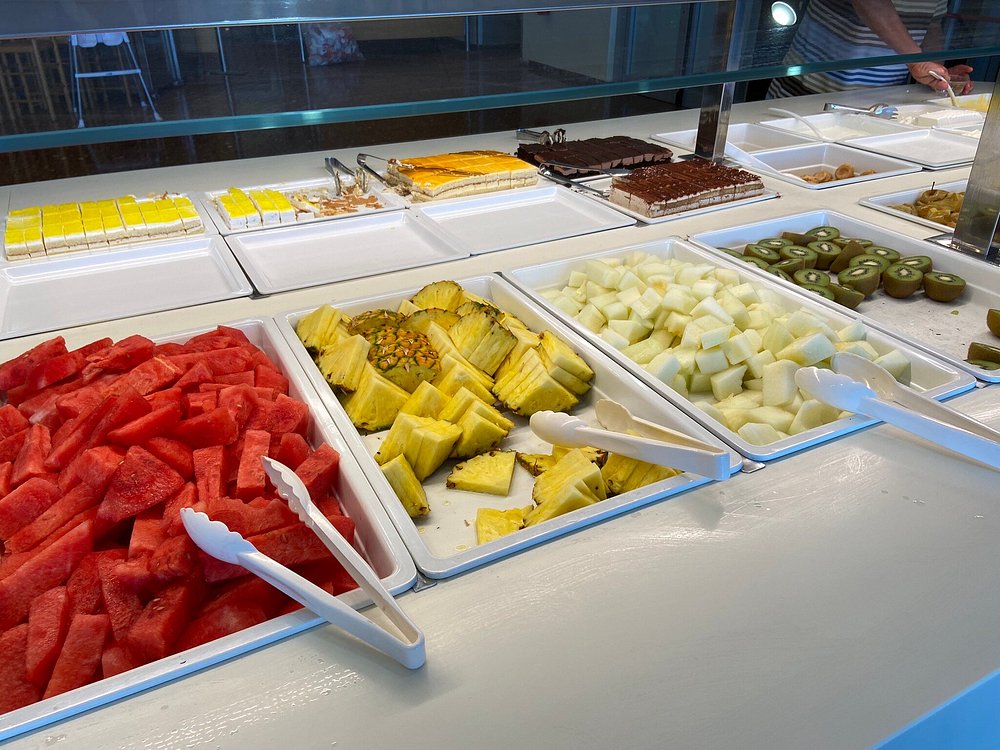
Infrastructure atop the mountain and surrounding the monastery is strictly limited. The main building complex features a large self-service restaurant offering an all-you-can-eat buffet for a flat fee of €21 per person. In addition, two smaller cafés operate in the area until 8:00 PM, and two gift and grocery shops serve visitors.
Once you leave the monastery area, no further buildings, shops, or water refill points are available along the mountain hiking trails. Due to the exposed rock surfaces, high-altitude paths offer minimal shade and continuous direct sunlight. Before setting off on these mountain routes, it is essential to stock up on plenty of drinking water, apply adequate sun protection, and wear sturdy, non-slip hiking footwear.
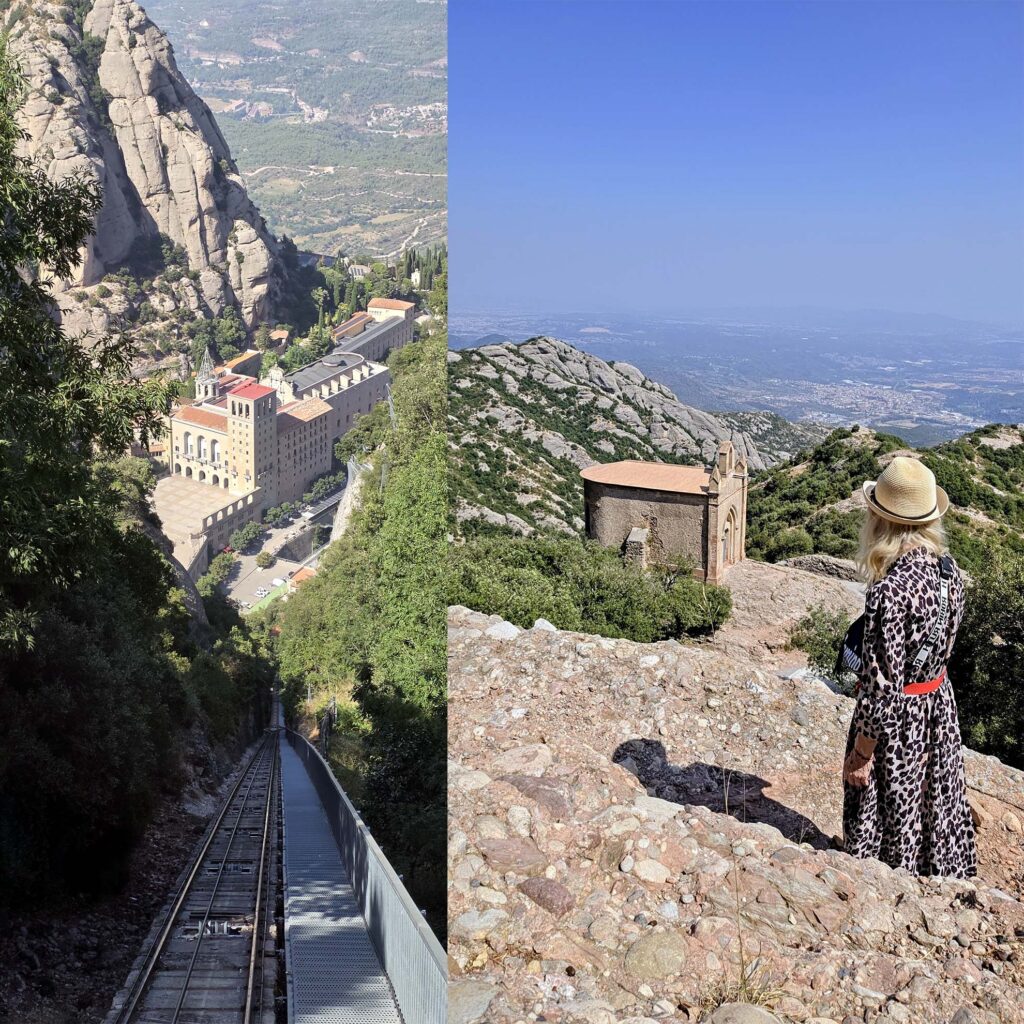
After lunch, the trek continues into the mountain's rugged, wild upper rock realm. Departing from the monastery level, the Funicular de Sant Joan tackles the steep ascent in just 7 minutes, reaching its upper station at an altitude of 1,000 meters above sea level. Stepping off the funicular reveals a world of dramatic natural rock formations and paths hand-carved by medieval pilgrims.
A short walk leads to the new Sant Joan building, offering views of the ruined Sant Joan and Sant Onofre hermitages carved directly into the cliff faces. Solitary hermits have lived on the mountain since the 9th century, spending their days in strict asceticism, prayer, and complete seclusion within natural rock caves and crevices. Tucked beneath the sheer rock walls, the stone masonry and meditation towers built into natural alcoves still preserve this centuries-old spiritual legacy today.
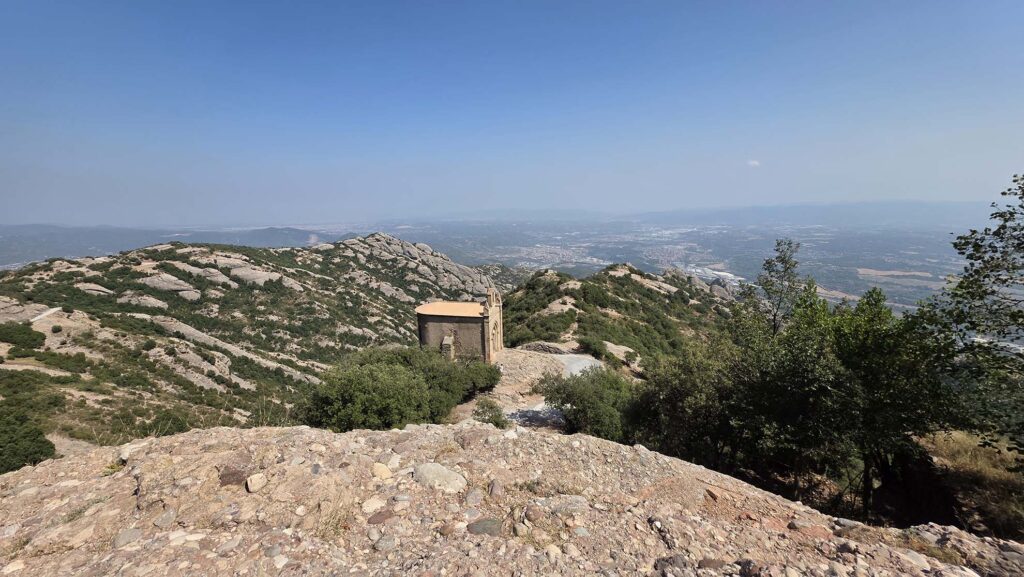
Passing through the ruins brings you to Jacob's Ladder (Escala de Jacob), a steep medieval stone staircase hand-carved directly into the vertical cliff face by pilgrims and monks. A rope handrail assists with the climb. From the top of the stairs, a steeper, obstacle-filled path leads up to the remains of the Santa Magdalena hermitage. To the left of the viewpoint near the ruins, a paved ascent leads to the summit behind the Magdalena Superior rock needle, offering the most sweeping panoramic view of Montserrat's iconic conglomerate peaks.
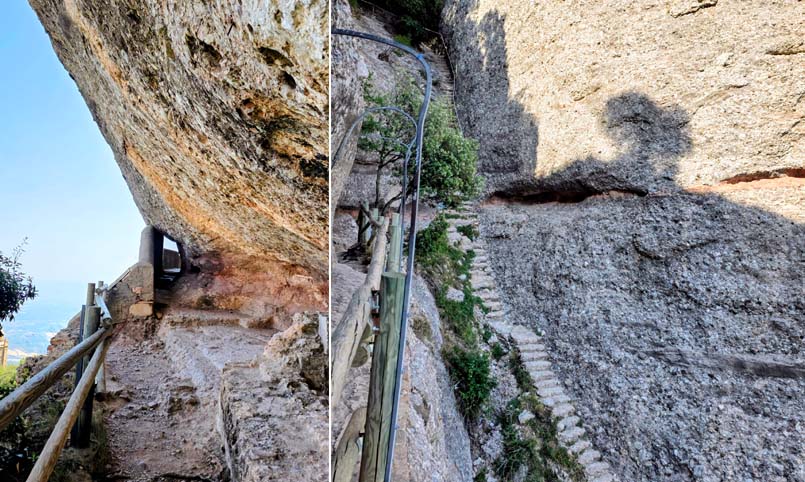
Clambering through natural rock crevices and along stone-carved paths—which can be quite steep and slippery in places—presents a serious physical challenge, but the sweeping views from the summit make every bit of effort worthwhile.
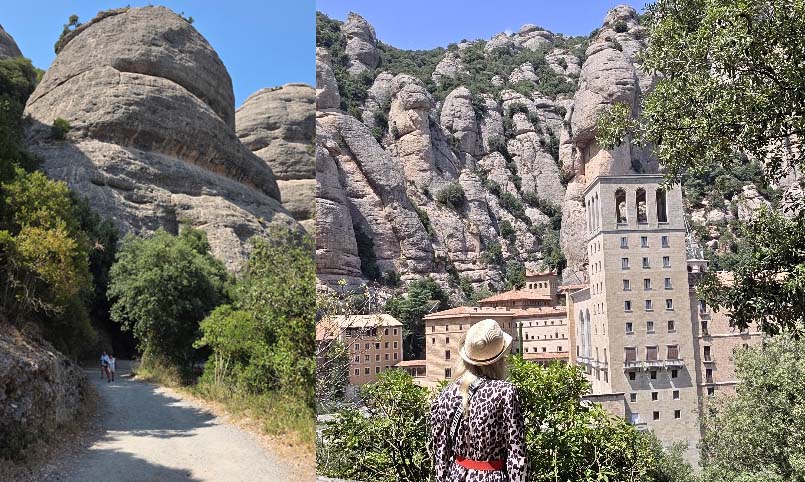
After the mountain hike, it is worth descending back to the monastery level and continuing your afternoon itinerary on the Funicular de la Santa Cova. During this short, steep descent toward the heart of the mountain, Montserrat's distinctive conglomerate formations and the surrounding rocky ridges unfold from a whole new perspective.
A Santa Cova (Szent Barlang) Montserrat egyik legfontosabb zarándokhelye, ahol a hagyomány szerint megtalálták a Montserrat-i Szűzanya szobrát. A barlanghoz vezető út különleges élményt kínál: a Monumentális Rózsafüzér tizenöt modernista szoborcsoportja kíséri a zarándokokat, amelyek a rózsafüzér titkait jelenítik meg.
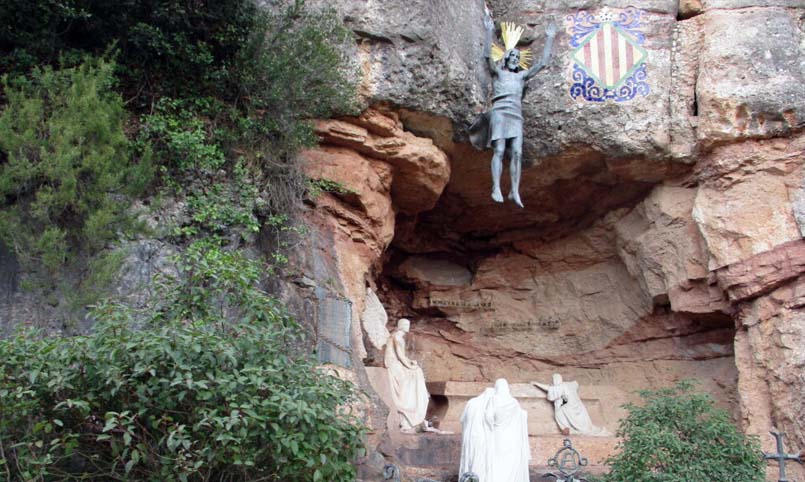
The walk gradually descends between the cliff faces, while the panorama over the valley and the distant Catalan countryside constantly shifts. At the end of the path lies the Santa Cova, a small chapel built right into the natural rock face. Constructed over the cave, this shrine has served as one of the most vital stops on the Montserrat pilgrimage for centuries—a place where the mountain's spiritual legacy and striking natural surroundings meet.
Built between 1896 and 1916, the Monumental Rosary stands as one of Catalan Modernism's most significant outdoor religious art ensembles. Renowned architects and artists, including Antoni Gaudí, Josep Puig i Cadafalch, and Joan Martorell, contributed to creating this spectacular route.
On the return leg, you can retrace your steps to the funicular or continue along the promenade leading back toward the monastery. By the end of the day, this reveals two completely different sides of Montserrat: the wild realm of high rocky ridges and the quieter, more contemplative heart of the sanctuary.
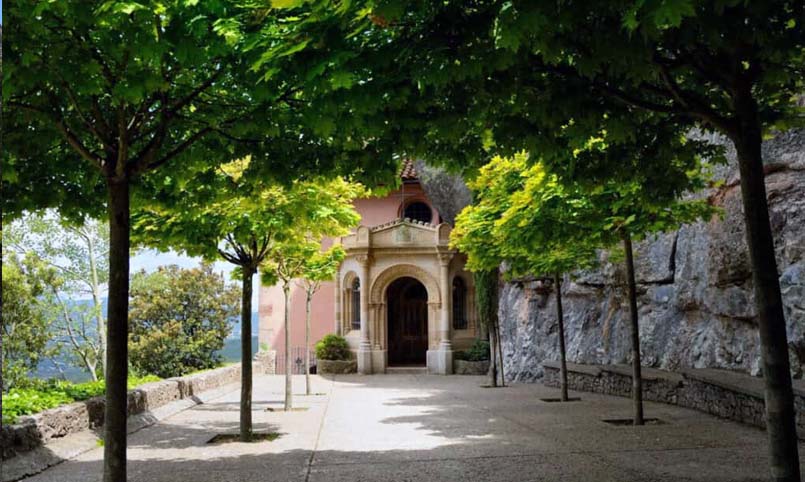
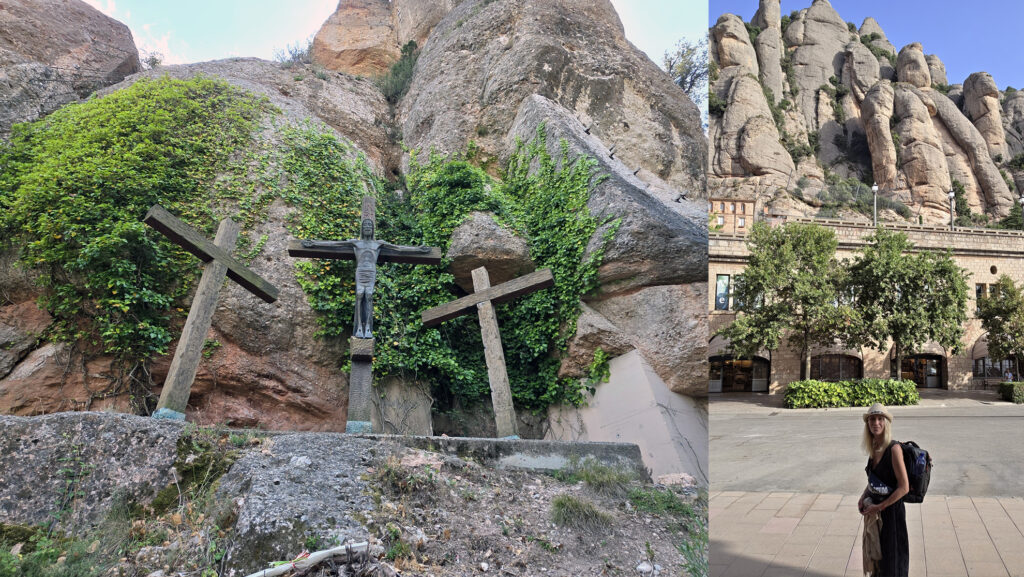
An easy walking path located in the immediate vicinity of the monastery. The Via Crucis is a sculptural ensemble comprising 14 stations that depict Christ's Passion and the Way of the Cross. Continuing past the Calvary, you will encounter statues of saints, order founders, and the beatified set against the natural landscape:
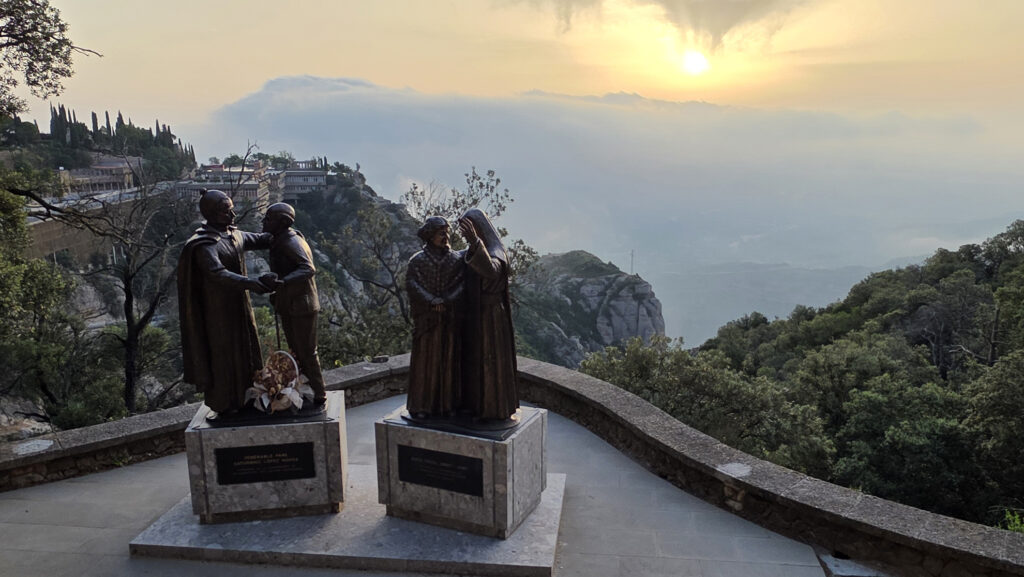
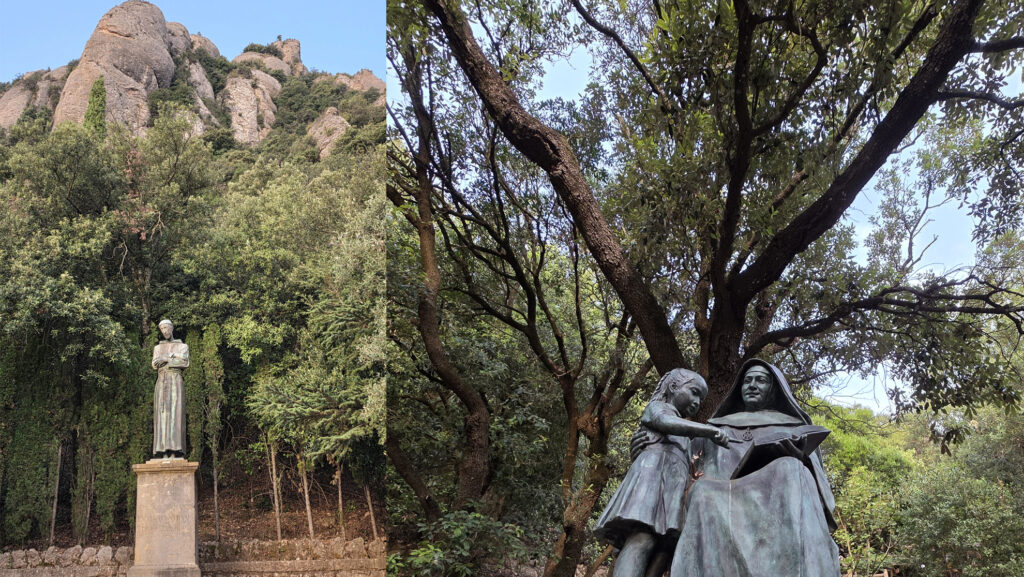
Saint Teresa Jornet Ibars, patron saint of the elderly; the friar Junípero Serra; Blessed Father Francesc Palau, represented by a bronze statue of the founder of the Carmelite Missionary Sisters; and San José de Calasanz, with a monument dedicated to the founder of the Piarist Order. Beyond their artistic and religious value, the sculptures frame a path that offers continuous, breathtaking views of the rock faces of Mount Montserrat and the valley below.
Ha Montserratban töltöd az éjszakát, teljesen más arcát ismerheted meg a hegynek. A nappali látogatók távozása után a kolostor környéke elcsendesedik, és visszatér a ncsnedes, elmélyült hangulat, amely évszázadok óta a hely különlegességéhez tartozik.
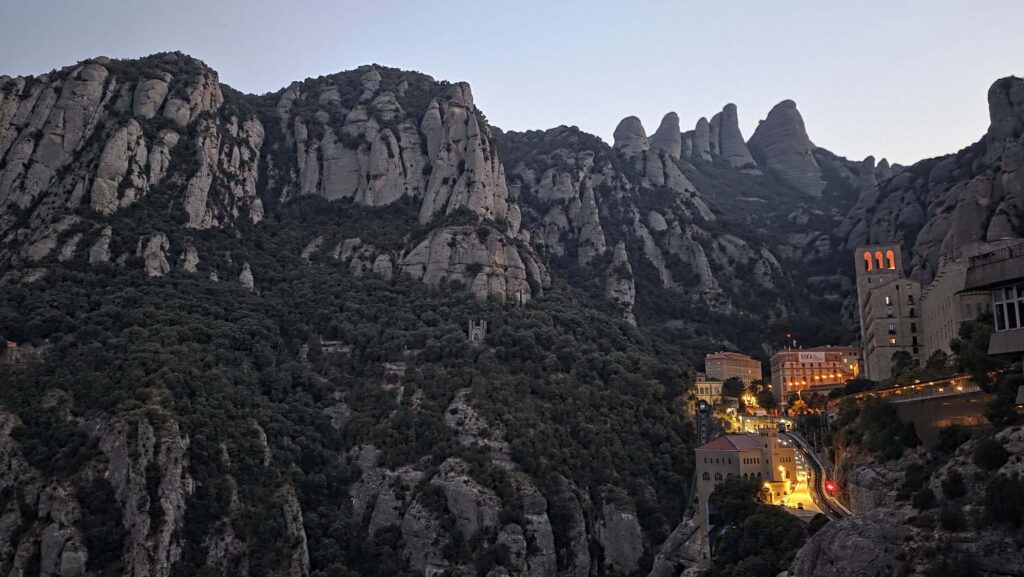
Az esti órákban részt vehetsz a misén majd egy csendes éjszakai sétával fedezheted fel a kivilágított kolostor környékét és a csillagos ég alatt emelkedő sziklákat. A hegy ilyenkor teljesen más élményt ad: a nappali panorámák helyett a csend, a fények és a különleges atmoszféra kerül előtérbe.
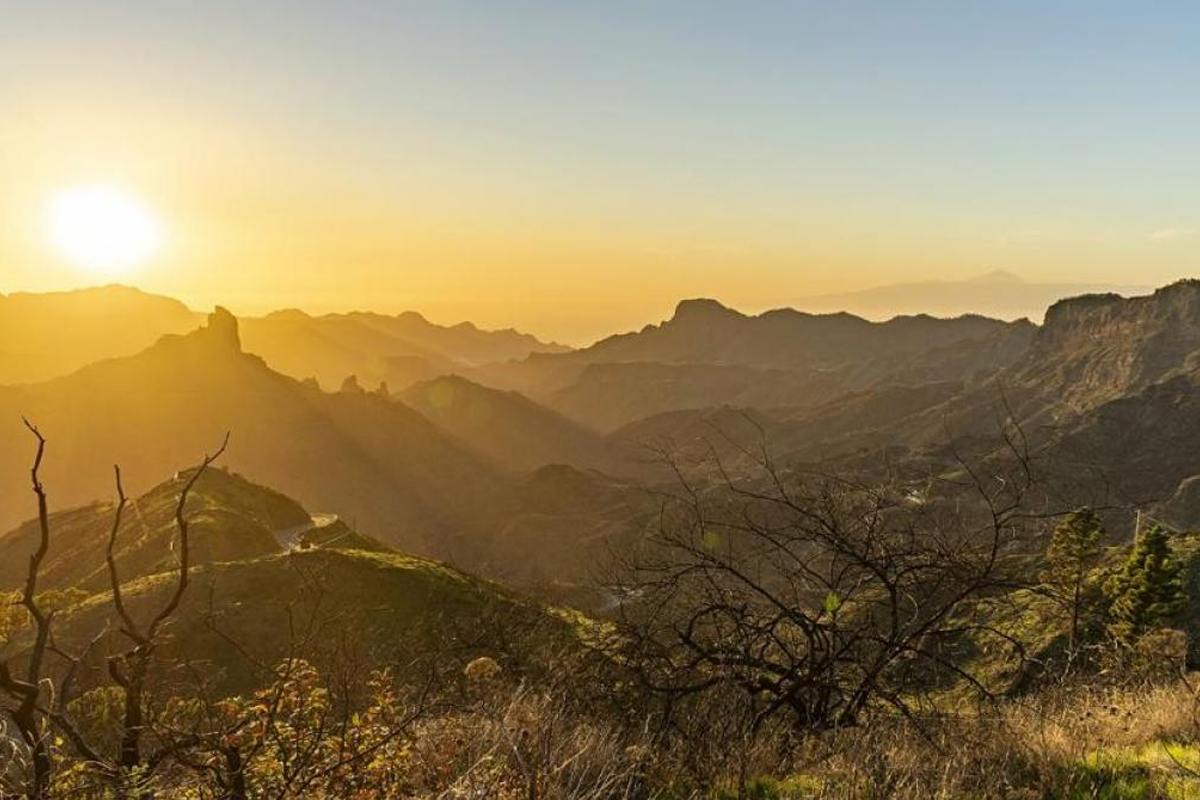
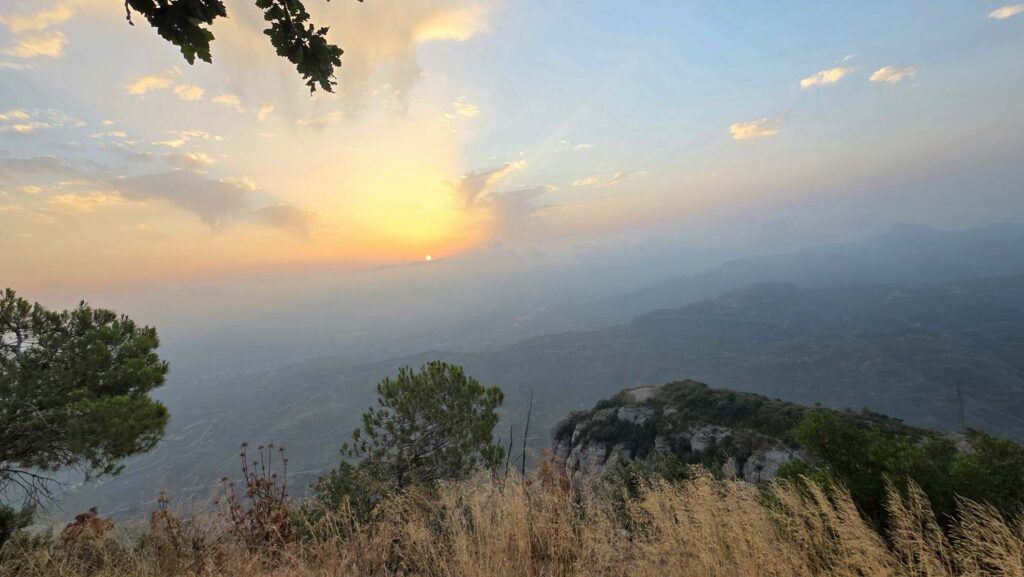
A reggeli napfelkelte pedig az egyik legszebb montserrati pillanat. A korai órákban a sziklatornyok arany fényben jelennek meg, a völgyek felett gyakran ködfátyol úszik, és a kilátópontokról zavartalanul élvezhető a táj. Az ottalvás előnye, hogy Montserrat legkülönlegesebb időszakait is átélheted: az esti elcsendesedést, az éjszakai hegyi hangulatot és a reggeli fények első pillanatait.
A szállásnak azonban van néhány gyakorlati hátránya is. A kolostor környékén este nagyon korlátozottak az étkezési lehetőségek. A büfé 16 óráig tart nyitva, a két kávézó főként túlárazott szendvicseket kínál. Az étterem csak szükségmegoldásként ajánlható: a 30 €/fő büfévacsora választéka jelentősen elmarad a nappali ebédlőbüfé kínálatától, az italokat pedig külön kell fizetni. Ha Montserratban alszol, érdemes előre tervezni az esti étkezést, mert a szállás és a spirituális programok mellett a vacsora megszervezése a legnagyobb kihívás.
Top Attractions/Essential Gear
Don't miss it
- Montserrat bazilika
- Fekete Madonna (La Moreneta)
- Santa Cova (Szent Barlang)
- Monumentális Rózsafüzér (Rosari Monumental)
- Via Crucis (Keresztút)
- Sant Miquel-kápolna
- Miranda de Fra Garí kilátópont
- Els Degotalls sétaút
- Sant Joan sikló és kilátópont
- Montserrat-hegység konglomerátsziklái
What should you bring with you
- 1-1,5 l water
- Naptej, Kalap
- Hiking shoes
Good to know
General
Jegyek: Hova kell és hogyan vedd meg?
Foglalás: A kombinált jegyet online vásárolhatod meg a Cremallera de Montserrat hivatalos webáruházában vagy a Catalunya Experience Shopban. €71.50
Ez a kombinált jegy az FGC Pl. Espanya vasútállomáson is megvásárolható.
A csomag tartalma:
Metrójegy
Oda-vissza FGC-vonatjegy az Aeri állomásig (ahonnan csatlakozik az Aeri Teleferic felvonó)
Montserrat Aeri oda-vissza jegy
Belépés a bazilikába és a Szűz trónjához (a befogadóképesség függvényében, és nem biztosít elsőbbséget a sorban).
Sant Joan siklóvasút jegy (a Santa Cova siklóvasút is benne van, ha üzemel)
Belépés az Audiovizuális Térbe • Belépés a Montserrat Múzeumba
Büféebéd
–
Természetesen ha nem akarsz siklózni és ebédelni sem a büfében fogsz, a múzeumot is kihagyod, nem éri meg a kombinált jegyet venni.
–
Külön vásárolható jegyek
Aeri de Montserrat felvonó
Felnőtt egy út: 10 €
Felnőtt oda-vissza: 15 €
Gyermek (4–13 év): 5,25 € / 7,50 €
Montserrat fogaskerekű (Cremallera)
Felnőtt egy út: 9 €
Felnőtt oda-vissza: 15 €
Gyermek (4–13 év): 4,50 € / 7,50 €
Sant Joan sikló
Felnőtt egy út: 11,40 €
Felnőtt oda-vissza: 17,50 €
Kombinált Sant Joan + Santa Cova: 20,65 €
Santa Cova sikló
Felnőtt egy út: 4,55 €
Felnőtt oda-vissza: 7 €
Kombinált Sant Joan + Santa Cova: 20,65 €
–
Montserrat külön belépők és jegyárak
Montserrat Múzeum (Museu de Montserrat)
Felnőtt: 12 €
Diák / nyugdíjas / csoport: 10 €
Gyermek (8–16 év): 6 €
Időszaki kiállítás: 3,50 €
Bazilika és Fekete Madonna (La Moreneta)
Bazilika belépés: ingyenes lehet az imádkozó/zarándok látogatás esetén
Fekete Madonna megtekintése (Trónterem): időpontra szóló jegy szükséges
Bazilika + Fekete Madonna + Audiovizuális tér + Montserrat Múzeum kombinált jegy:
23 € / fő online / 25 € / fő helyszíni vásárlás esetén
Spanyolországi lakosoknak ingyenes, de regisztrálni kell.
Santa Cova (Szent Barlang)
A kegyhely látogatása: ingyenes
A megközelítéshez szükséges:
Santa Cova sikló: 7 € oda-vissza, vagy
gyalogosan ingyenes útvonal
Open Air Museum / Szabadtéri Múzeum
A szabadtéri útvonalak látogatása: ingyenes
Térkép és útmutató az információs irodában érhető el.
- National Archaeological Museum of Volcei „Marcello Gigante” (Buccino)
- Castle of Lettere (Lettere vára)
- Archaeological Nature Park of Longola (Longola Ökopark)
- Territorial Archaeological Museum of Terzigno (Terzigno Múzeum)
Fontos „Villa-hack”: Ha megvetted a sima €20-s Express jegyet, de mégis megjön a kedved a Misztériumok Villájához, a benti Herculaneum kapunál (Porta Ercolano) ráfizethetsz €8-t (kizárólag kártyával), hogy beengedjenek. (De jobban jársz, ha eleve a €25-ös Pompeji+ jegyet veszed meg, mert úgy €3-t spórolsz).
Fontos „Villa-hack”: Ha megvetted a sima €20-s Express jegyet, de mégis megjön a kedved a Misztériumok Villájához, a benti Herculaneum kapunál (Porta Ercolano) ráfizethetsz €8-t (kizárólag kártyával), hogy beengedjenek. (De jobban jársz, ha eleve a €25-ös Pompeji+ jegyet veszed meg, mert úgy €3-t spórolsz).
- National Archaeological Museum of Volcei „Marcello Gigante” (Buccino)
- Castle of Lettere (Lettere vára)
- Archaeological Nature Park of Longola (Longola Ökopark)
- Territorial Archaeological Museum of Terzigno (Terzigno Múzeum)
- Délelőtti sáv (09:00 – 13:00): Maximum 15 000 ember léphet be.
- Délutáni sáv (13:00 – 17:30): Maximum 5 000 ember léphet be.
Tömegközlekedéssel Barcelonából
A legegyszerűbb útvonal:
1. Barcelona – Plaça d’Espanya → Monistrol de Montserrat
Departure FGC R5 vonal a Plaça d’Espanya állomásról
Menetidő: kb. 1 óra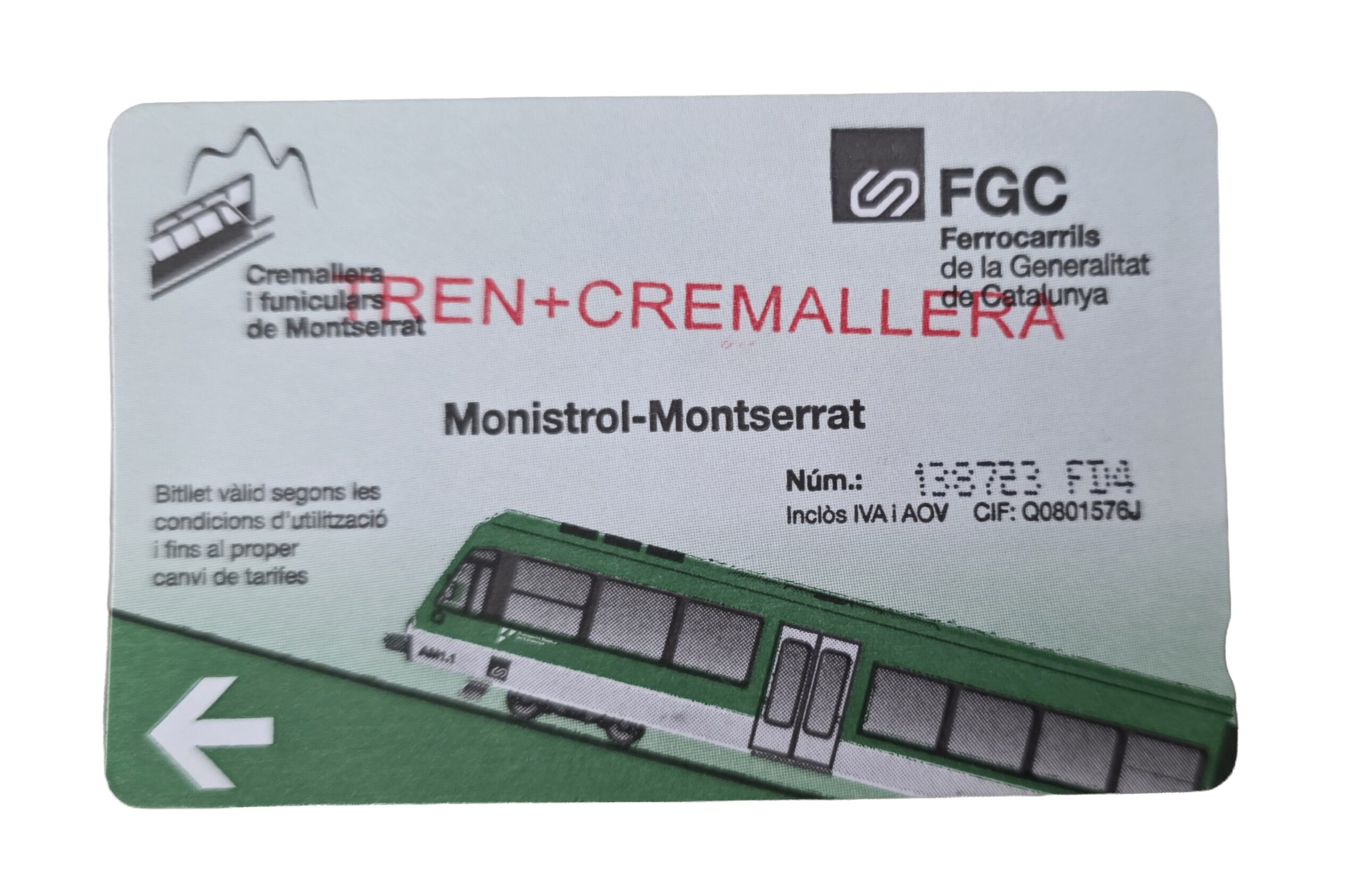
Érkezés: Monistrol de Montserrat állomás
Innen két lehetőség közül választhatsz:
Cremallera de Montserrat (fogaskerekű vasút)
Menetidő: kb. 15 perc
Közvetlenül a kolostornál áll meg
Kényelmes választás túrákhoz és hosszabb programhoz
Aeri de Montserrat (kabinos felvonó)
Menetidő: kb. 5 perc
Látványosabb útvonal, közvetlen panorámával a sziklafalakra
Alsó állomás: Montserrat-Aeri
Jegyopciók
Trans Montserrat: vonat + feljutás + siklók kombinált jegye
Tot Montserrat: teljes csomag múzeummal és étkezéssel
Egyéni jegyvásárlás is lehetséges külön a vonatra, fogaskerekűre/felvonóra és siklókra
Montserrat autóval
Távolság Barcelonától: kb. 60 km
Menetidő: kb. 1–1 óra 15 perc forgalomtól függően
Ajánlott útvonal:
Barcelona → A-2 autópálya
kijárat: Montserrat / Monistrol de Montserrat
innen hegyi szerpentinen lehet feljutni a kolostorhoz
Parkolás
Montserrat kolostornál: fizetős parkolók találhatók a szentély közelében
Monistrol de Montserrat: parkolás után fogaskerekűvel is fel lehet jutni
Montserrat-Aeri: parkoló + kabinos felvonó lehetőség
Autós látogatás előnye
Rugalmas érkezés és indulás
Könnyebb korai napfelkeltéhez érkezni
Egyszerűbb túrákhoz szükséges felszereléssel
Hátrány
Hétvégén és főszezonban a kolostor környéki parkolók gyorsan megtelhetnek
A hegyi út keskeny és kanyargós szakaszokat tartalmaz
Tipp: Egész napos Montserrat programhoz a tömegközlekedés általában kényelmesebb, korai érkezéshez, napfelkeltéhez vagy többnapos tartózkodáshoz az autó nagyobb szabadságot ad.
- Kék zónás parkolók: Az utcai parkolóknál figyelj a kék felfestésre, itt parkolóautomatából kell jegyet venni (óránként kb. €2-€3).
- Privát parkolók: A kapu közvetlen közelében lévő éttermek és hotelek is kínálnak őrzött parkolást napidíjért (kb. €10-€15/nap), ez sokszor biztonságosabb és kényelmesebb megoldás.
- Lehajtás: Ha a mi útvonalunkhoz érkezel, a Pompei Est - Scafati lehajtónál gyere le az autópályáról (ne a Pompei Ovestnél!).
- Parkolás: A keleti kapu (Piazza Anfiteatro) környékén, a modern Pompei városközpontjában és a szomszédos utcákban rengeteg fizetős parkoló található.
- Kék zónás parkolók: Az utcai parkolóknál figyelj a kék felfestésre, itt parkolóautomatából kell jegyet venni (óránként kb. €2-€3).
- Privát parkolók: A kapu közvetlen közelében lévő éttermek és hotelek is kínálnak őrzött parkolást napidíjért (kb. €10-€15/nap), ez sokszor biztonságosabb és kényelmesebb megoldás.
- lépés:
Nápolyból először Herculaneumba kell eljutnod. A Piazza Garibaldi központi pályaudvarról a Circumvesuviana vonattal menj Sorrento irányába. Körülbelül 15 perc után szállj le az Ercolano Scavi megállónál. A vonatok óránként 2–3 alkalommal közlekednek, a menettérti jegy ára nagyjából 5 euró. - lépés:
Nápolyból először Herculaneumba kell eljutnod. A Piazza Garibaldi központi pályaudvarról a Circumvesuviana vonattal menj Sorrento irányába. Körülbelül 15 perc után szállj le az Ercolano Scavi megállónál. A vonatok óránként 2–3 alkalommal közlekednek, a menettérti jegy ára nagyjából 5 euró.
- lépés:
Nápolyból először Herculaneumba kell eljutnod. A Piazza Garibaldi központi pályaudvarról a Circumvesuviana vonattal menj Sorrento irányába. Körülbelül 15 perc után szállj le az Ercolano Scavi megállónál. A vonatok óránként 2–3 alkalommal közlekednek, a menettérti jegy ára nagyjából 5 euró.
Montserratban kevés szállás található, viszont az ottalvás különleges élményt ad: a nappali turistaforgalom után a hegy elcsendesedik, elérhetővé válik az esti mise, a rózsafüzér, az éjszakai séta és a reggeli napfelkelte.
Hostal Abat Cisneros Montserrat
Közvetlenül a kolostor mellett
Saját fürdőszobás szobák
Ideális korai túrákhoz és napfelkeltéhez
Alberg Abat Oliba
Két emeleten emeletes ágyakkal és saját fürdőszobával rendelkező szobák találhatók, amelyek 4, 6, 8 és 10 fő befogadására alkalmasak, és megoszthatók, vagy magánszobaként is lefoglalhatók.
- A legjobb elhelyezkedésű szállás
- Közvetlenül a kolostor mellett
- Kilátás a Montserrat-hegyre és a völgyre
- Saját fürdőszobás szobák
- Ideális korai túrákhoz és napfelkeltéhez
- A hátsó kapus besétálás: Reggel kényelmesen felkelsz, és a szállásodról (mindenféle buszozás vagy vonatozás nélkül) egyszerűen besétálsz a hátsó, keleti kapun (Piazza Anfiteatro). Mivel ez a bejárat közvetlenül a modern városközpont mellett van, pillanatok alatt bent vagy a romok között, és egyből az Amfiteátrumnál (1) kezded a napot – még a hatalmas turistabuszok érkezése előtt.
- Az egyenes vonalú időutazás: Végigsétálod a mi jól felépített, kanyarok nélküli útvonalunkat keletről nyugat felé a Via dell’Abbondanzán, útba ejtve a fürdőket, a színházat és a piacot.
- Kijárat egyenesen a vonathoz: A túrád pontosan a város túlsó felén, a Fórumnál (10) ér véget. Miután megnézted a főteret és a Bazilikát, a legnyugatibb kapun, a Porta Marinán sétálsz ki a parkból.
- Irány Nápoly! Ez a kijárat hajszálpontosan a Pompei Scavi - Villa dei Misteri Circumvesuviana vasútállomás elé vezet. Nem kell visszagyalogolnod a város másik végébe a cuccodért, nem kell körbebuszoznod a romterületet: a parkból kilépve szinte azonnal felszállsz a Nápolyba tartó vonatra, és fél óra múlva már a nápolyi főpályaudvaron vagy.
- Ezzel a tervvel teljesen megkíméled a lábaidat, elkerülöd a felesleges köröket, és úgy látod meg a romváros legjavát, hogy a logisztika végig téged szolgál, nem pedig fordítva.