Berlin's Schöneberg district is a clearly identifiable epicenter of urban contemporary art. Along Bülowstraße, this realization now culminates in the Love Letters to the City exhibition. Germany's first street art museum is housed in a converted residential building in a whimsical part of Schöneberg, whose streets are packed with graffiti murals.
Today, visual noise has been maxed out, and feeds are flooded with artificial garbage. According to Michelle Houston's curatorial concept, the street is the most honest canvas. Here, art steps out of museum sterility to directly shape our collective urban experiences.
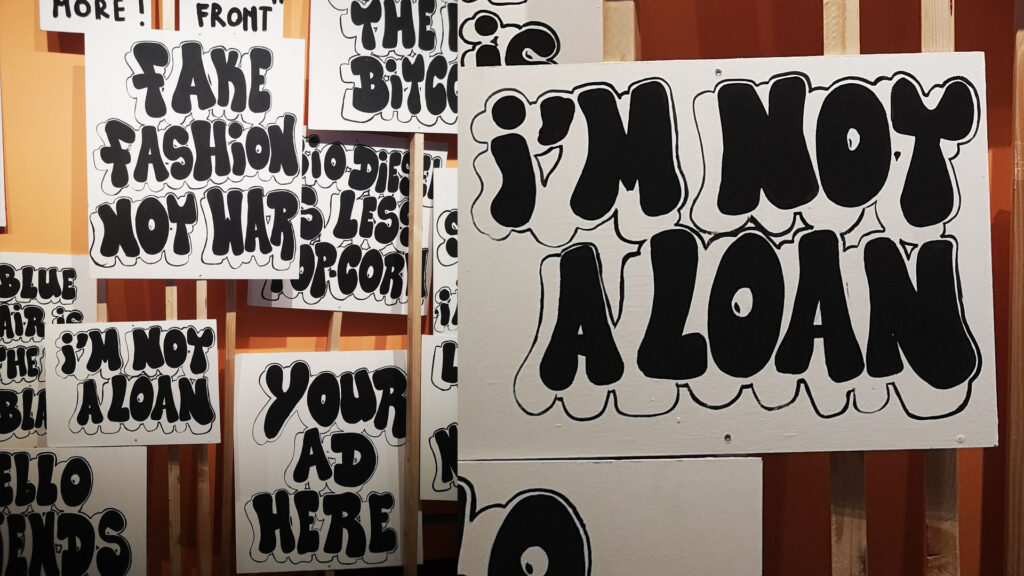
Behind URBAN NATION is Gewobag's Berliner Leben foundation, whose commitment supports not only art and culture, but also social neighborhood development.
On Bülowstraße, the fusion of art, social dialogue, and education creates a space that culturally revitalizes the neighborhood and defines urban space as a vital part of community development. In Schöneberg, this has been realized in a more than impressive way.
The wall as dialogue
The exhibition's nine thematic chapters—from Space Hacking to Let’s Talk About Gentrification—are a response to the tensions of modern urbanization. This showcase forces a look at the city from a fresh perspective. The artists rewrite the cityscape through graffiti, installations, and interactive sculptures, weaving social narratives into the physical environment. The goal is to foster positive social development in a world where the housing crisis and environmental destruction are no longer theoretical questions.
Attention is the new Insta
To stop and truly look at something: that is the real rebellion. The Urban Nation Museum building will mature into an interactive platform by 2025. The Highline walkway inside forces a change in perspective. Here, you have to move, look up, and let the physical scale of the works affect you.
The graffiti DNA is right there in the Martha Cooper Library: the struggle against invisibility. Today, this battle is fought against digital bubbles. The works of the 1UP crew and Shepard Fairey hit hard because they carry real risk. Physical presence, the smell of paint, bravery. This momentum is what sets you apart from the crowd. The wall is a message: I am here, I leave a mark.
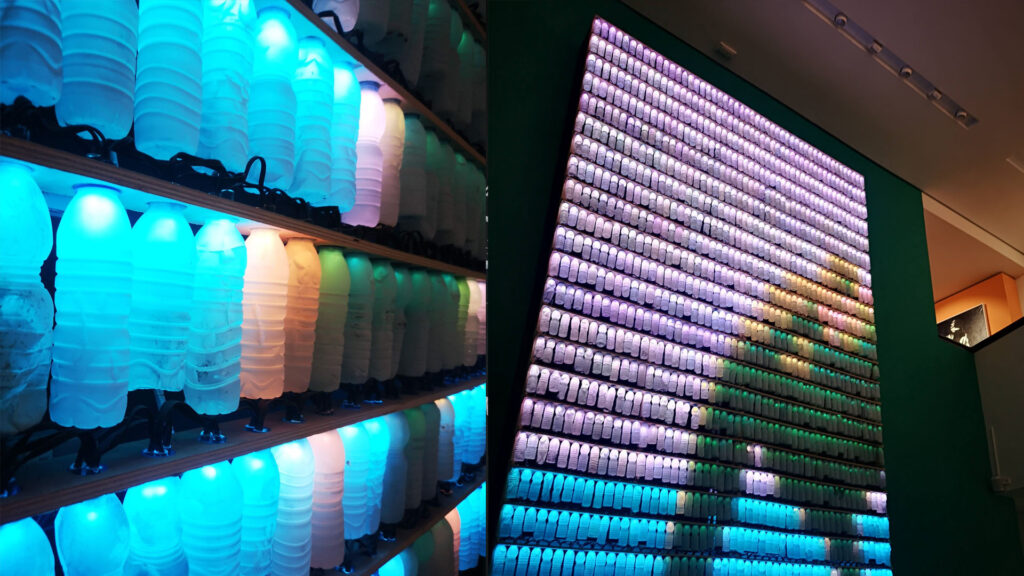
The core of the exhibition is anchored by monumental installations, such as the suspended delivery truck by MOSES & TAPS or the iconic graffiti bench reconstruction by ROCCO AND HIS BROTHERS. In 2026, in the period following the anniversary of the fall of the Berlin Wall, loaned objects from the Stiftung Berliner Mauer serve as a reminder of the historical power of mural art. The mural by Korean artist JAZOO YANG, created in collaboration with the OMA BUNKER initiative, gives a voice to the older generations, bringing them into the urban bloodstream. On the museum's facade, graffiti pioneer LADY PINK has fused the visual codes of New York and Berlin, creating the image of the universal city.
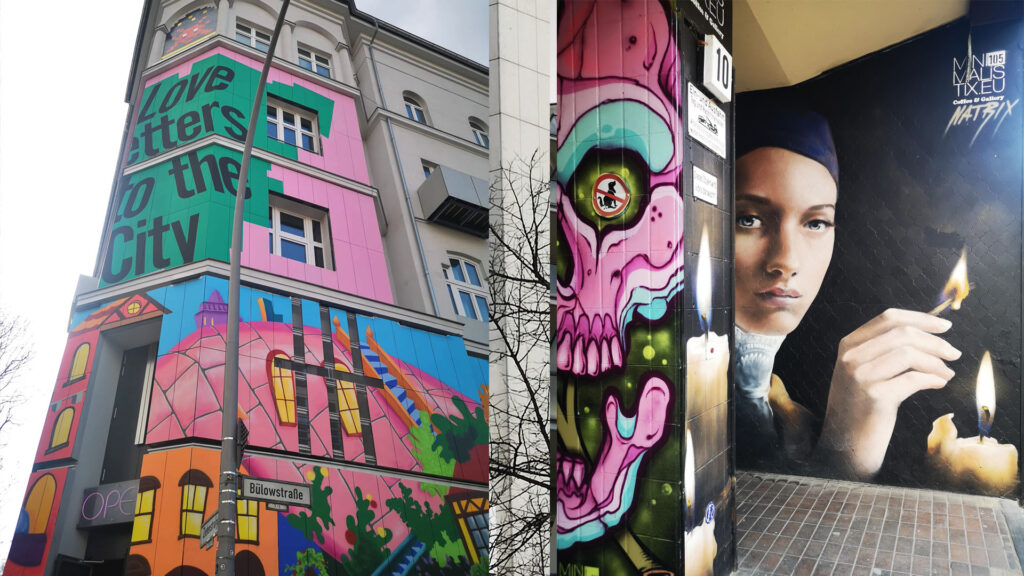
Bülowstraße embraces the worn-out walls and the layers spray-painted on top of each other. The curated chaos is the prevailing direction. The artworks operate with AR layers: the artist's pulse and every phase of the creation process are visible through the display. The art intervenes in the community on an ecological level. The latest projects work with smog-filtering pigments. The artist is an active maintainer of the urban ecosystem.
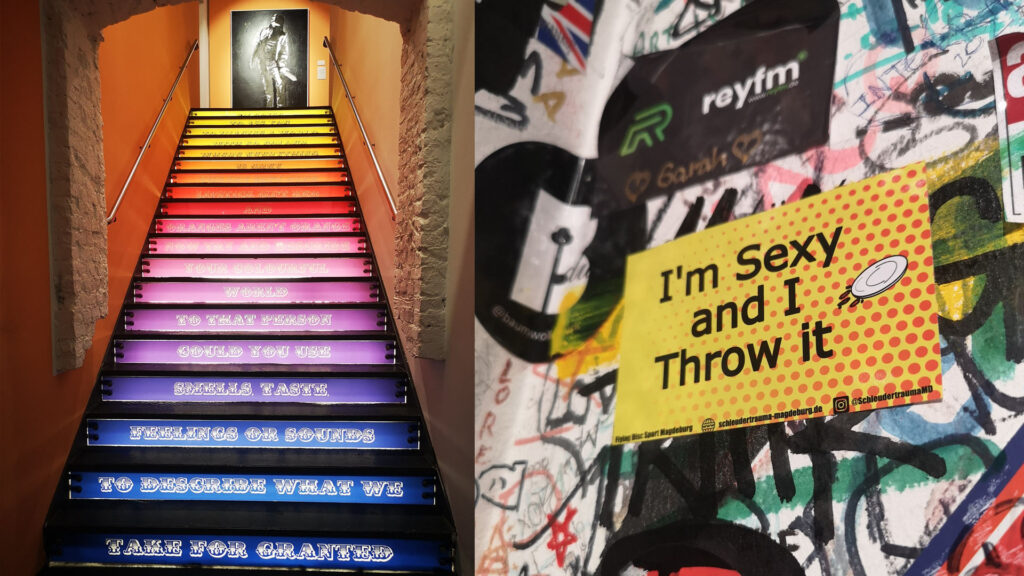
Act
Passivity is boring. The walls you walk past every day are blank pages. Love Letters to the City proves that urban art can rebuild the connection between the individual and their environment.
After Bülowstraße, you look at your own street with different eyes. Culture is the harmony between what you see and what you do. Find Lady Pink's latest layers on the seventh house. Notice where the old paint ends and the new begins. Understand the narratives hidden in the fabric of the city.
How do you get there?
The museum's address is: Bülowstraße 7, 10783 Berlin-Schöneberg.
- By Subway (U-Bahn): The most practical option is the U2 line (the red line), which takes you to either Nollendorfplatz or directly to the Bülowstraße station. The latter is a beautiful, historic elevated railway structure; as you pass over it, you instantly get a direct view of the museum's iconic facade, decorated (among others) by Lady Pink.
- On Foot: It is only a 5-minute walk between the Nollendorfplatz and Bülowstraße stations, but it is well worth taking more time than that.
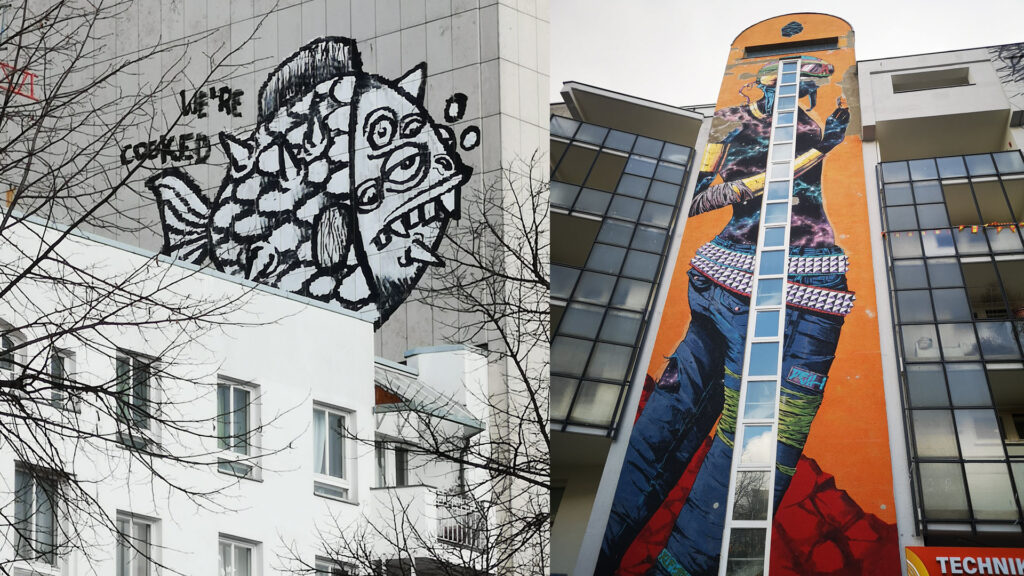
Why is it worth walking around the neighborhood?
Interaction and AR: In 2026, you will encounter murals that come to life through your phone in several places during your walk. This is the essence of the “city hack”: digital stories are hidden behind physical walls.
Interaction and AR: In 2026, during your walk, you'll encounter murals in several places that come to life through your phone. This is the essence of „city-hacking”: digital stories hidden behind physical walls.
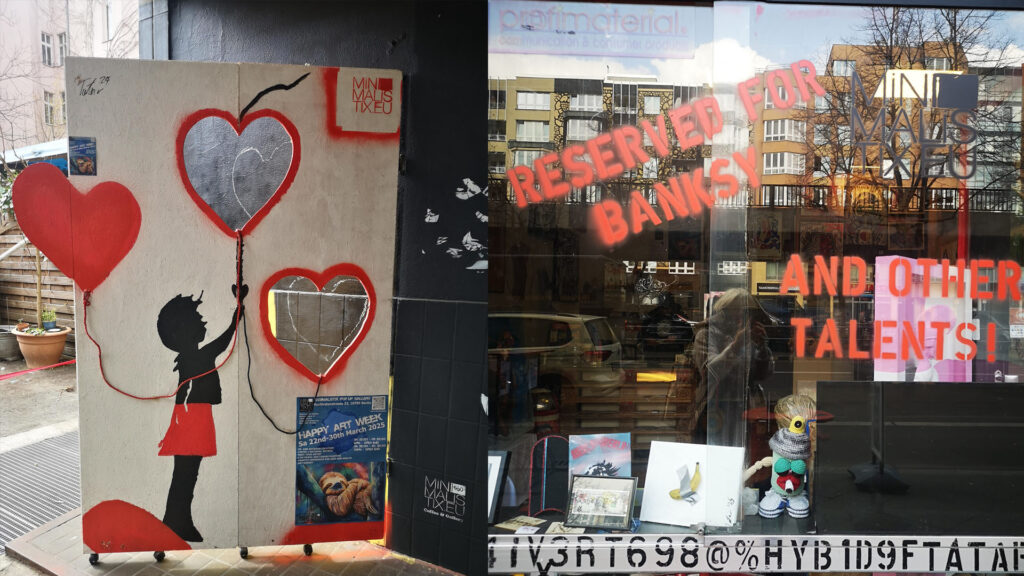
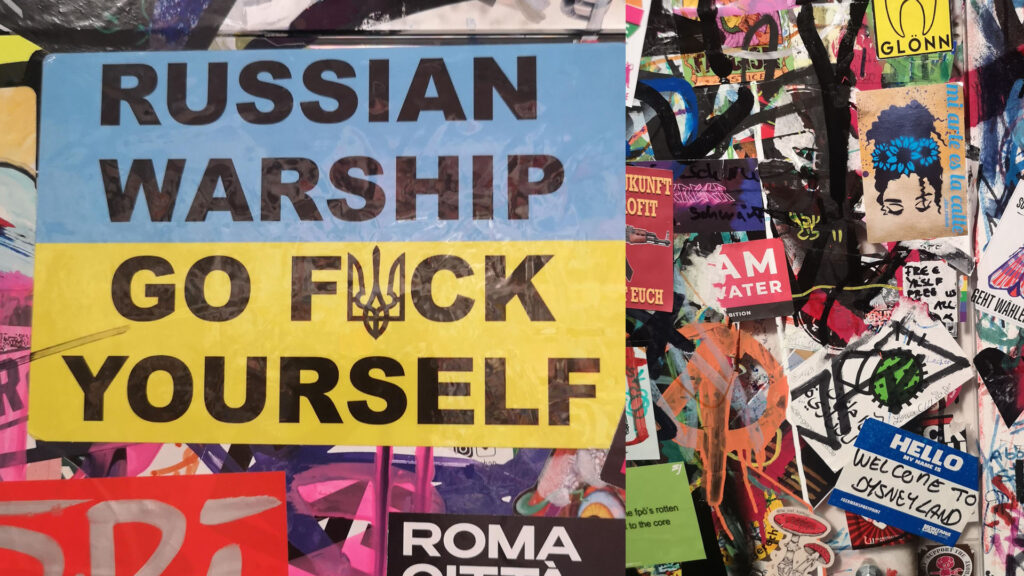
Street Art gallery on the asphalt: On lampposts, shutters and side streets (for example towards Frobenstraße or Zietenstraße) you will find hidden “love letters” to the city that are not included in the official brochures.
Street Art Gallery on the Asphalt You'll find hidden „love letters” to the city on lamp posts, shutters, and in side streets (like towards Frobenstraße or Zietenstraße) that aren't in any official brochures.
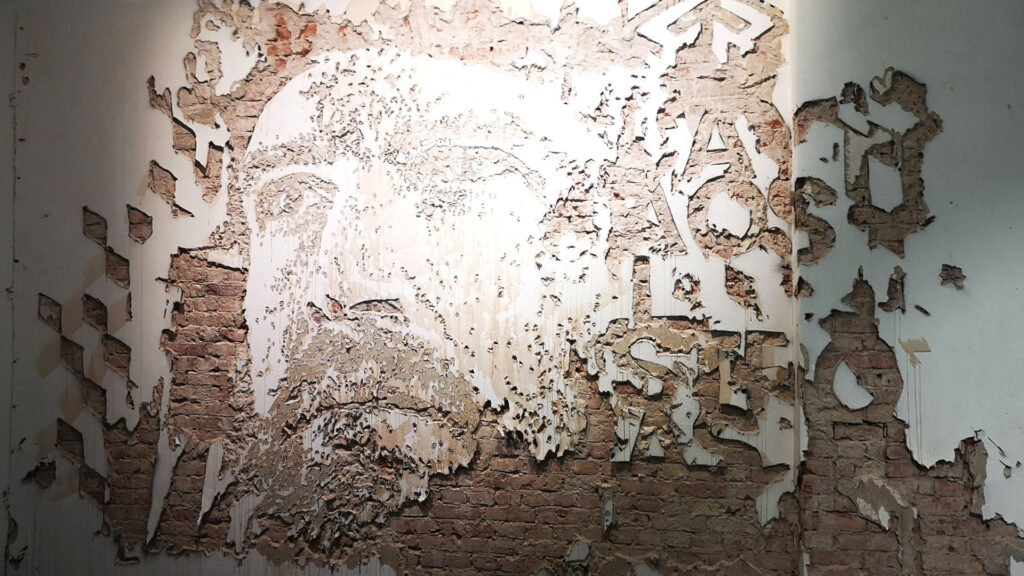
The walking distance
If you truly want to see the core of it, you should plan for a roughly 2.5–3 kilometer loop starting from the museum, touching upon the Nollendorfplatz area and the surrounding murals.
- Duration: This distance takes approximately 1.5–2 hours at a comfortable, "sightseeing" pace, including taking photos and scanning the posted QR codes.
- Intensity: This walk is not a physical challenge, but a mental stimulation. In the 3 kilometers, you will walk through decades of graffiti history and the most modern urban development visions.