

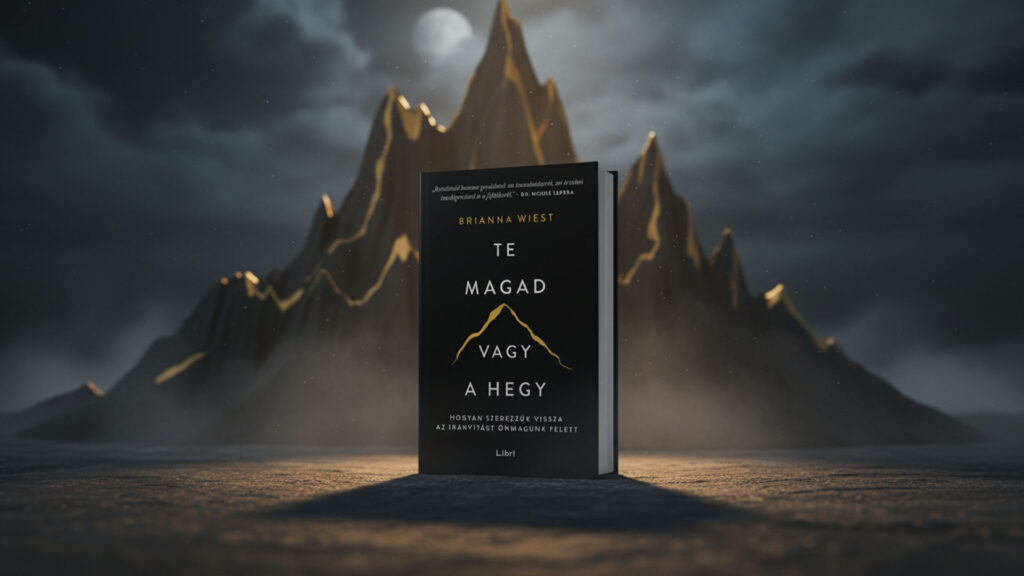
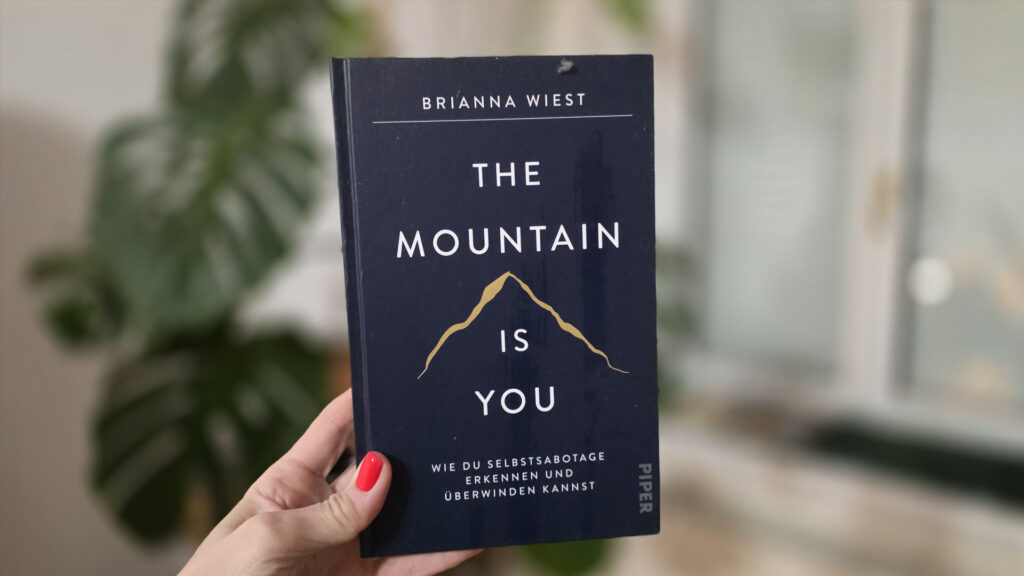
On a rainy Tuesday afternoon, I was browsing through my favorite bookstore in Mitte, Berlin, running my usual existential where to next circles in my head. That was when I stumbled upon Brianna Wiest’s book, The Mountain Is You. As a mountaineer and volcano trekker, the title hit me instantly.
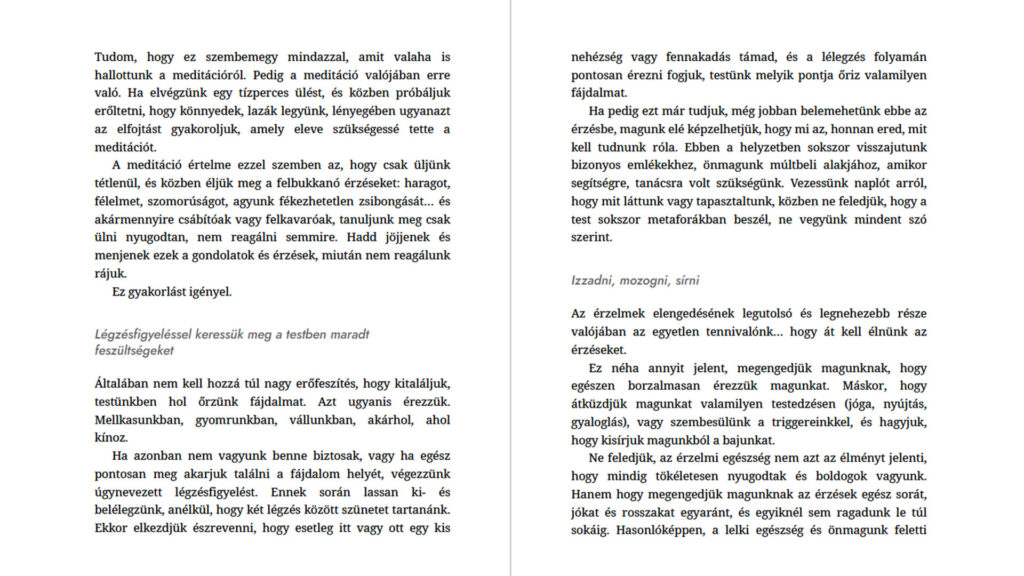
For me, language learning isn't about cramming; it's about consuming content in context. My trick is simple: I look for books that are intellectually stimulating, then I read them in tandem—the language I'm learning alongside the English or Hungarian version. Vocabulary building is most effective when the topic hooks you emotionally. Flipping through the English original (The Mountain Is You) and the Hungarian translation at the same time gives me a kind of stereo vision.
The mountain is the obstacle that stands between us and the life we desire. Facing it is the only path that leads to freedom and fulfillment. We are here because a trigger has revealed our wound, our wound shows us the path, and the path reveals our destiny.
The fundamental truth of the book is that self-sabotage is actually a misguided form of self-care. Our brain wants to protect us from the unknown, so it prefers to keep us trapped in uncomfortable but familiar patterns. Walking the streets of Berlin, digesting the book's chapters, it hit me: my procrastination and my escape from major decisions are not character flaws, but the running of outdated software.
The price of growth is the comfort of our old selves.
Exiting your mental comfort zone
Wiest’s chain of logic is ruthless. She claims that the mountain is not an external hardship, but our own internal resistance. When we suddenly start a thousand other things in the middle of a project, that isn’t a lack of focus. It is a subconscious attempt to avoid failure. If we don’t finish it, we can’t be judged. This realization radically rewrote my relationship with my work. Let’s look at the specifics. The book taught me to treat emotions as data. In the age of data-driven decisions, this skill is worth its weight in gold. If I feel anxiety regarding a new opportunity, that is the compass showing me: that's where the potential for growth lies. And developing resilient adaptability is precisely this: learning to navigate uncertainty without turning back toward the stagnation we mistakenly believe is safe.

The book highlighted that change rests on micro-habits. Sitting in my Berlin apartment, I began to apply the concept of the "future self." This method helps bridge the gap between our current impulses and our long-term goals. With every decision, I ask myself the question: does this step serve the person I want to become?
Freedom of action
After the book, I put together a real action plan. My vocabulary expanded with expressions like cognitive dissonance or emotional dominance, while my internal integrity was also restored.
Breaking down mental blocks is ongoing maintenance. As cities are built, we too need to update our internal map. Wiest gives us a toolkit to climb my own inner mountain and gradually dismantle it.
Choose books that challenge your intellect. Use them as fuel. Change begins where you take responsibility for your own life.